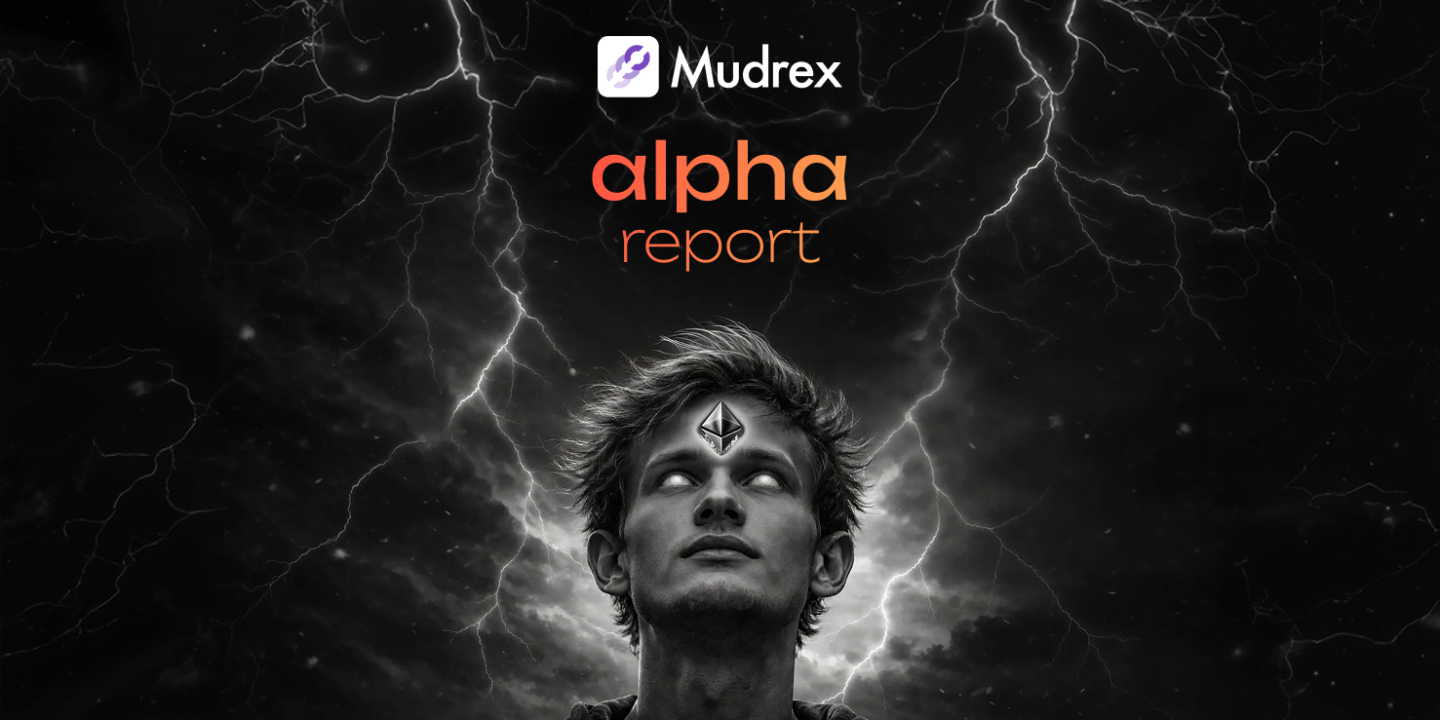
Ethereum’s Creator Just Said Most Layer 2s Are Getting It Wrong
If you hold ARB, OP, ZK, or any other Layer 2 token — this is worth reading.
Last week, Vitalik Buterin posted two tweets about Layer 2 blockchains. And for anyone with money in this sector, understanding what he said — and what it actually means — matters.
What Is a Layer 2 Blockchain?
Quick version: Ethereum is the main blockchain. A few years ago it got very busy and expensive — sometimes $50 just to make one transaction. So developers started building “Layer 2” blockchains that sit on top of Ethereum and handle transactions faster and cheaper.
His point: most Layer 2 blockchains just copied Ethereum, made it slightly cheaper, and called it innovation. They didn’t build anything new. They just attached a bridge and said “we’re part of Ethereum.”
He also pointed out something crucial: Ethereum’s own fees have dropped to $0.44 per transaction — down from $53 at the peak. That’s a 99% reduction. The main reason Layer 2s existed — being cheaper — is now less of an exclusive advantage.
Here’s the interesting part: the networks themselves are doing fine. Arbitrum has $16.6 billion locked inside it. Base processes 50 million transactions every month. The usage is real.
Why Are L2 Tokens Down Despite Network Growth?
Two reasons:
Supply pressure — these projects release millions of new tokens into the market every month, creating constant downward pressure regardless of how good the network is doing.
No value link — most L2 tokens are “governance tokens,” meaning they give you a vote on decisions but don’t automatically capture the revenue the network generates. Real usage doesn’t directly benefit token holders.
How Major Layer 2 Projects Responded
Within two days, every major project responded. The responses reveal a lot about where each project is headed.
Polygon’s Pivot to Payments
Polygon had already started changing direction before the tweet. They shut down a product with low adoption, and are now fully focused on being a payments blockchain — stablecoin transfers, everyday transactions, real-world use. Their CEO pointed to 94 million stablecoin transfers as proof the pivot is working.
Base’s Distribution Advantage
Base (Coinbase’s Layer 2) didn’t change much, because it didn’t need to. One million daily active users, $10 billion in value locked, and 100 million Coinbase customers as a potential user base. The distribution moat is real.
Optimism’s Tokenomics Overhaul
Optimism made a structural move in January 2026: the community voted to use 50% of all network revenue to buy back OP tokens every month. This is the first time any major L2 has directly linked token value to network usage. If the network earns more, tokens get bought. That’s a meaningful change.
Arbitrum’s DeFi Dominance
Arbitrum leaned into its strength: the home of serious DeFi, with $16.6 billion in TVL and growing institutional adoption in real-world asset tokenization. The network is strong. The token unlock schedule (92 million ARB released monthly until early 2027) remains the ongoing headwind.
The Critical Question for Layer 2 Evaluation
Rather than trying to predict prices, there’s a single question worth asking about any Layer 2 project:
What does this blockchain do that Ethereum itself can’t or won’t do?
If the answer is just “cheaper transactions” — that answer is getting weaker every month as Ethereum’s own fees fall.
If the answer is something specific — payments at scale, privacy, institutional asset settlement, AI infrastructure — that’s a real differentiated story.
The chains with a clear answer to that question have a foundation. The ones without one are relying on narrative.
Get the Complete Layer 2 Analysis
This post covers the story. Want the full report with deeper analysis?
Become a Mudrex Alpha member to access:
Visual charts: TVL by chain, fee history, token drawdowns
How each project responded, in their own words
2025 on-chain data — where capital actually went
Six questions to evaluate any L2 project
What themes are gaining momentum in 2026
Already an Alpha member? The full report is live on the Mudrex app now.
Anupam has over 3 years of experience in the crypto industry, having worked with top indian crypto exchanges. He writes about Bitcoin, altcoins, AI, and emerging tech, helping readers understand what’s driving markets and where the digital asset ecosystem is headed.