
Free crypto signals sound great on paper: ready-made trade ideas, no research, and a chance to catch moves early. But do they actually work in real-world scenarios?

Sometimes… but not in the way many beginners hope.
In this blog, we’ll break down what free crypto signals are, where they help, where they fail, and how you can use them safely to benefit.
Free crypto signals are trade ideas that are usually shared by analysts, creators, or trading groups. They tell you what asset to trade, where to enter, where to exit if the trade goes wrong, and where to book profits if it works.
Put simply, a crypto signal is just a ready-made trade setup.
A typical signal starts with the entry price. This is the price zone where the trade is meant to be opened.
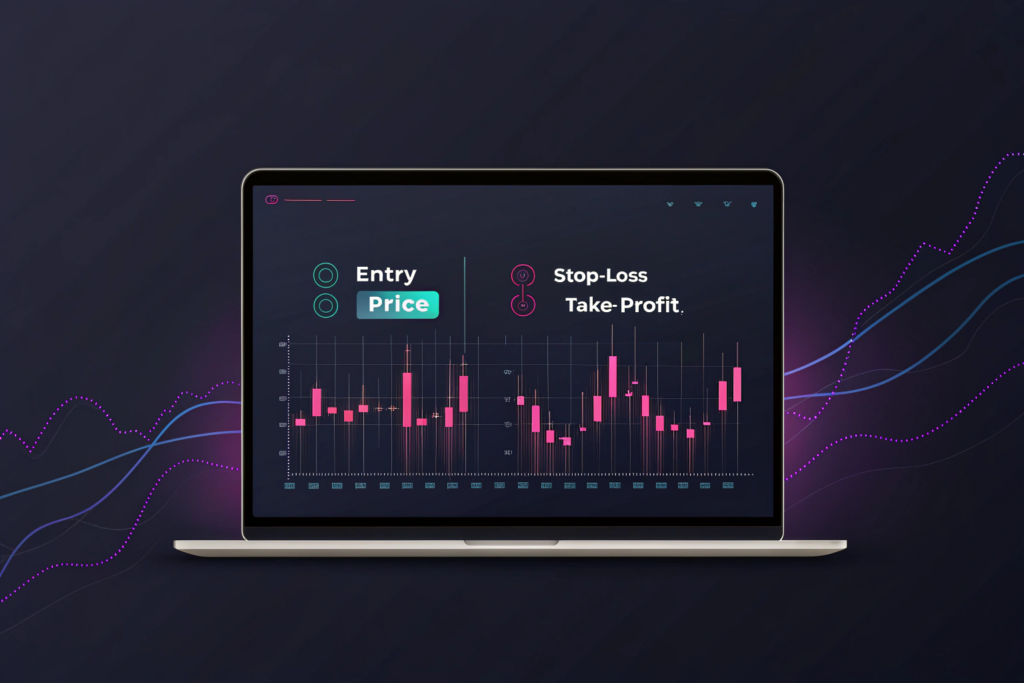
It may also include a stop-loss, which is the level where you exit to limit losses if the market moves against you. Most signals also include one or more take-profit targets. These are price levels where traders may close part or all of the trade in profit.
You’ll also usually see the trade direction. This can either be long, which means betting the price will rise, or short, which means betting it will fall.
Some also provide leverage guidance, though its best to treat that carefully.
The main reason is convenience.
Free crypto signals are easy to find on Telegram, Discord, X, and crypto trading communities. For beginners, they’re essentially a cheat code; someone else does the chart work, and you just follow. They are also often marketed as expert trade ideas or high-probability opportunities, which makes them even more appealing to traders who are learning.
Most signal groups sell the same basic idea: they save time, reduce emotional decision-making, and help users spot trades faster. The problem? A signal may be easy to follow, but that does not automatically make it a good trade.
They can be useful, in the right conditions and with the right expectations. It’s better to treat them as ideas rather than as ready-made trades to execute mindlessly.
Signals can help you spot things you may have missed on your own. They can also be useful as a second opinion if you already understand basic chart structure. Some signals look more accurate in trending markets – this is because price is already moving with pace.
They can also improve discipline if they include clear stop-loss and take-profit zones.
A major problem with crypto signals accuracy is that most free providers do not have an audited track record. Many only put the spotlight on winning trades and ignore losses. Some never update followers when the stop-loss gets hit.
Others post alerts after the move has already started, which leaves quite a few traders chasing a late entry. There are also many fake crypto signal groups that hide poor risk-reward setups behind inflated win-rate claims.
A high win rate means very little if the losses are much larger than the wins.
Even a decent signal can turn into a bad trade when executed badly. Many traders copy without context, ignore position sizing, or use too much leverage. Others enter late after seeing the post and end up with worse risk than the original setup.
So if you’re wondering about whether crypto signals really work, you’re asking the wrong question. What you need to think of, is whether the signal is valid, timely, and used with discipline.
Free crypto signals can be helpful in small ways, especially for traders who already understand the basics. The problem is that the same features that make them attractive also make them easy to misuse.
One of the main benefits of free crypto signals is speed. They can give you quick trade ideas without spending hours scanning charts. That can save research time, especially if you are watching multiple coins or timeframes.
They can also be useful for learning setup structure. A beginner can see how entries, stop-losses, and targets are arranged inside a real trade idea. Over time, that can make it easier to understand how trading setups are built.
Signals can also help you compare your own market view with someone else’s bias. Even if you do not take the trade, they may still help you think more clearly.
The biggest cons of crypto signals are inconsistent quality and lack of accountability. Many free groups share random ideas with no clear process behind them. Others are mainly marketing funnels designed to push users into paid groups.
For beginners, the emotional risk is high. A few wins can create false confidence, while losses can trigger overtrading. Signals can also create dependency, where users wait for alerts instead of learning how to think through trades on their own.
Guaranteed profits, unrealistic win rates, and signals with no stop-loss. Be cautious if a group only posts winning screenshots instead of full trade history.
Other warning signs include pressure to use high leverage, referral-link-first behavior, “VIP only” upsells, and repeated promotion of low-liquidity coins. These are common patterns in pump and dump crypto groups.
Not all of them. But many are low-quality, misleading, or heavily promotional. The safest approach is to treat unverified signals as marketing until proven otherwise.
If you still want to use them, the safest approach is to treat them as trade ideas, not instructions. A signal can show you an opportunity, but you still need to decide whether the setup makes sense for you.
Before entering any trade, check the charts yourself. Ask yourself if the market still supports the idea or whether price has already moved too far. An idea that looked strong 20 minutes ago may offer poor entries now.
You should also check whether the setup still gives a sensible risk-reward ratio. If the stop-loss is wide and the upside is limited, the idea may no longer be worth taking. Most importantly, skip trades you do not understand.
A safer way to use crypto signals is to combine them with your own rules. Learn basic support and resistance, trend structure, and risk management. Use price alerts instead of depending on group messages. Follow educational analysts and practice with paper trades or very small positions first.
Over time, building your own understanding of market structure will matter far more than any Telegram alert.
To make better crypto decisions, focus on learning fundamentals, risk management, and stay informed. Explore detailed guides on Mudrex Learn and subscribe to the Mudrex YouTube channel to keep improving your crypto trading skills.
Free crypto signals can sometimes give good trade setups, but they are not consistently reliable and should not be blindly followed.
Some Telegram crypto signal groups share useful insights, but many lack transparency, so it’s important to verify track records beforehand.
An entry price, stop-loss level, take-profit targets, and the trade direction (long or short).
Poor trade accuracy, delayed alerts, unrealistic win-rate claims, and traders blindly following signals without risk management.
The safest way to use crypto signals is to treat them as trade ideas, confirm the setup on your own chart, and follow strict risk management rules.