Ethereum futures are fast becoming one of the most popular ways to trade crypto. They allow traders to bet on the future price of ETH without actually holding the asset. With Ethereum’s role as the backbone of DeFi and NFTs, ETH futures provide exciting opportunities, but also carry risks.
This guide will walk you through what Ethereum futures are, how they work, their benefits, risks, and practical steps to start trading confidently.
This is a detailed breakdown of how I took trades on ETHUSD 📊
Directional Bias Structure Liquidity POI
I hope you find it helpful, feel free to Learn from it and Bookmark it for later📝
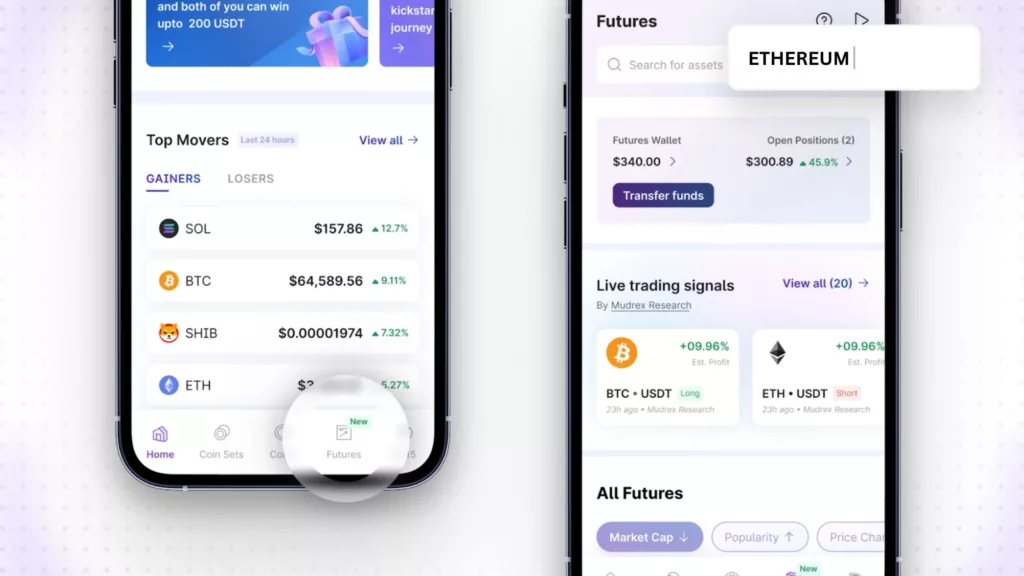
Trading Ethereum futures on Mudrex is simple and beginner-friendly. Mudrex offers Ethereum Futures, so you can trade without worrying about contract end-dates. Follow these steps to get started:
Download & verify: Install the Mudrex app and complete KYC.
Fund your Futures wallet: Add funds to the Futures wallet inside the app.
Open the Futures tab: Use the search bar and select Ethereum (ETH) Futures.
Ethereum Futures 101: A Complete Guide on How to Trade ETH Futures
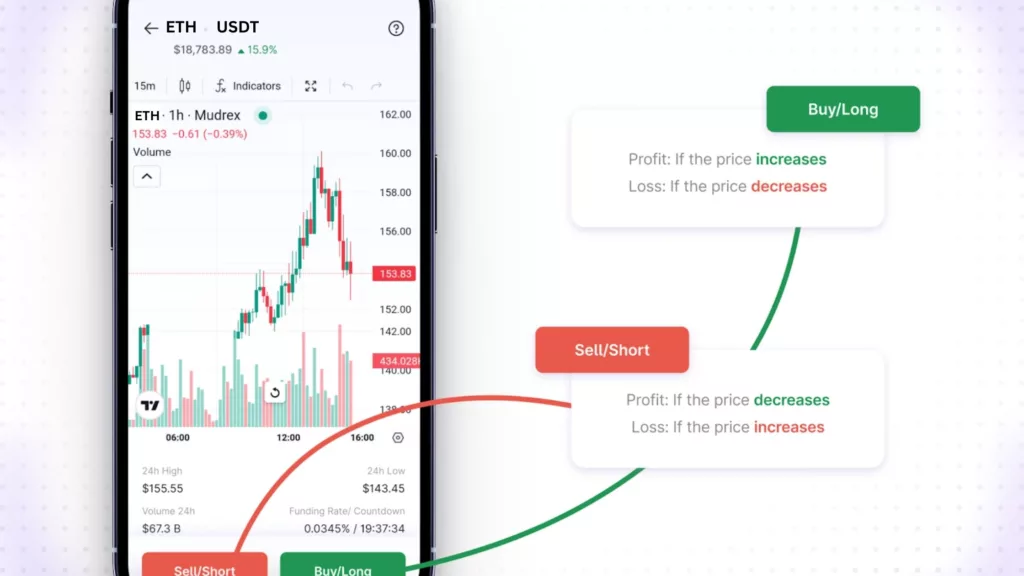
Pick a direction: Tap Buy / Long if you expect ETH’s price to rise; tap Sell / Short if you expect it to fall.
Ethereum Futures 101: A Complete Guide on How to Trade ETH Futures
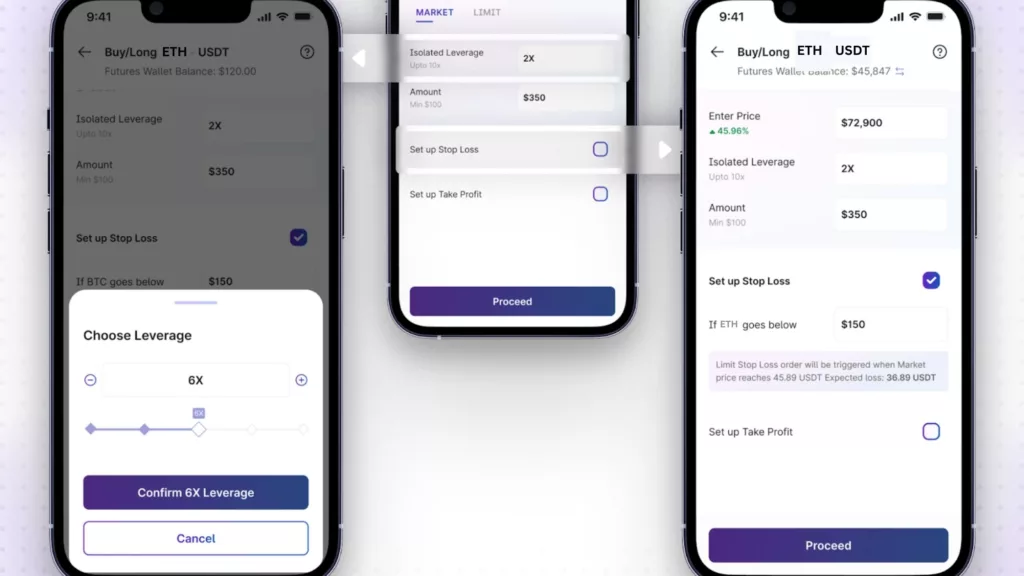
Choose order type: Select Market to execute immediately or Limit to set a specific entry price.
Set size & leverage: Enter the number of contracts and the leverage you want. (Higher leverage increases both profit and risk.)
Add risk controls: Set Stop-loss and Take-profit levels to automatically manage exits.
Ethereum Futures 101: A Complete Guide on How to Trade ETH Futures
Review & confirm: Check all details (direction, size, leverage, SL/TP) and hit Confirm to place the trade.
Monitor or close: Track your position in the app. Close manually anytime or let your SL/TP run.
Quick tip: start with low leverage until you’re comfortable. Trade responsibly, only risk what you can afford to lose.
Monitor positions via the app. For a visual walkthrough, watch this Mudrex video:
Risks and Challenges of Ethereum Futures
ETH’s high volatility can lead to rapid liquidations, especially with leverage, where small price swings erase margin.
Funding rates accumulate during prolonged holds, potentially reducing profits if you’re on the paying side. Over-leveraging often leads to emotional decisions and larger losses.
Key challenges:
Liquidation Risk: Positions close automatically if the maintenance margin is breached.
Market Manipulation: Large traders can influence prices in low-volume periods.
Fee Accumulation: Trading and funding costs can diminish small profits.
Regulatory differences across regions require compliance checks. Education and tools help mitigate these issues.
Tips for Successful Ethereum Futures Trading
Start with education: Study charts, funding rates, and ETH news before live trading.
Prioritize risk management: Limit each trade to 1-2% of your capital. Always set stop-loss orders and begin with low leverage (up to 5x).
Effective strategies:
Trend Following: Use moving averages to enter momentum trades.
Range Trading: Enter and exit within support and resistance levels.
Hedging: Offset spot positions with perpetuals for protection.
Maintain discipline: Journal trades, avoid chasing losses, and review funding rates for optimal timing.
How Ethereum Futures Work
Ethereum perpetual futures enable speculation on ETH price movements without an end date. A long position profits if ETH price rises, while a short position profits if it falls.
Hedging is another use: If you hold spot ETH and expect a decline, a short perpetual position can offset losses, acting as protection for your portfolio.
Leverage and margin amplify positions. Margin is the collateral you deposit; with 10x leverage, ₹1,000 controls ₹10,000 worth of ETH. If the price moves against you, your position may face liquidation if the margin falls below the maintenance level.
Funding rates, exchanged every few hours between longs and shorts, ensure the contract price tracks the spot price. Regulated platforms provide fair access to these markets.
Leverage in perpetual futures lets you control a larger ETH position with less capital, as the exchange provides the borrowed funds. For 5x leverage, ₹200 margin controls ₹1,000 of ETH.
There are initial margin (to open a position) and maintenance margin (to keep it open). If your account balance drops below the maintenance margin due to adverse price moves, the position is liquidated automatically.
Example: Deposit ₹500 with 10x leverage for a ₹5,000 long position on ETH at ₹3,000. A 10% rise to ₹3,300 yields ₹500 profit (100% return on margin). A 10% fall wipes out the entire margin.
While leverage boosts potential gains, it also increases liquidation risk in volatile markets. Beginners should start with 2-5x leverage to gain experience safely.
Perpetual futures increase liquidity in ETH markets by attracting more participants, resulting in tighter spreads and better price discovery.
You avoid owning ETH, eliminating wallet security concerns. Leverage allows efficient use of capital for larger exposures.
For ETH holders, short positions hedge against downside risk, useful for miners or long-term investors. 24/7 trading and no expiration provide flexibility.
Additional benefits:
Lower Costs: Funding rates are typically cheaper than rollover fees in traditional futures.
Directional Flexibility: Go long or short regardless of market conditions.
Portfolio Diversification: Combine with spot holdings for balanced strategies.
Ethereum perpetual futures provide opportunities for speculation and hedging, but success requires understanding mechanics, using moderate leverage, and applying risk tools like stop-losses. Begin with small positions, practice consistently, and scale based on experience for sustainable results.
For a seamless start, sign up with Mudrex and enjoy low-fee ETH futures trading, user-friendly tools, and expert support to turn market movements into profits.
FAQs
1. What are Ethereum perpetual futures?
Derivative contracts for speculating on ETH price without expiration, using leverage and funding rates to align with spot prices, no asset ownership required.
2. How does leverage work in Ethereum perpetual futures trading?
Leverage borrows exchange funds to enlarge positions, e.g., 10x multiplies ₹1,000 to control ₹10,000 of ETH, increasing both gains and liquidation risks.
3. What are the main risks in trading Ethereum perpetual futures?
Volatility causes liquidations, accumulating funding fees, and over-leverage, resulting in total margin loss during adverse price moves.
4. How can I avoid liquidation in Ethereum perpetual futures?
Employ tight stop-losses, maintain leverage below 5x, monitor margin closely, and add funds only during stable trends.
5. What are the best platforms for Ethereum perpetual futures?
Mudrex, Binance, and Bybit excel with low fees, high liquidity, and beginner features like demo accounts and mobile apps.
Siri is a writer venturing into the exciting realms of blockchain technology, cryptocurrency, and decentralized finance (DeFi), eager to explore the transformative potential of these innovations. She brings a unique perspective that bridges traditional industries and cutting-edge technology, often infused with a touch of humor through memes. She has a rich background in real estate and interior design, having previously contributed to NoBroker, where she crafted blogs and assets on these topics.