
Polymesh coin (POLYX) is the native token of a blockchain built specifically for regulated securities, not everyday payments or general apps. Unlike a typical decentralized network built for open, anonymous use, Polymesh restricts participation to verified identities. This guide covers how it works, its tokenomics, its real use cases, and the risks you should weigh before buying.
Polymesh is a permissioned blockchain built specifically for regulated assets, and POLYX is its native token. Unlike public chains anyone can join, Polymesh requires identity verification for participants, which is core to how Polymesh works as a compliance-first network.
Definition
Security Token
A digital asset representing ownership in a real, regulated financial instrument, like equity or debt, and subject to securities law.
POLYX pays for transactions, secures the network through staking, and lets holders vote on governance decisions. Within the broader crypto ecosystem, this narrow focus is rare, since most projects chase general use rather than one regulated niche.
The Polymesh Association, made up of former Polymath team members, built the chain to solve problems that general-purpose blockchains struggle with for regulated assets.
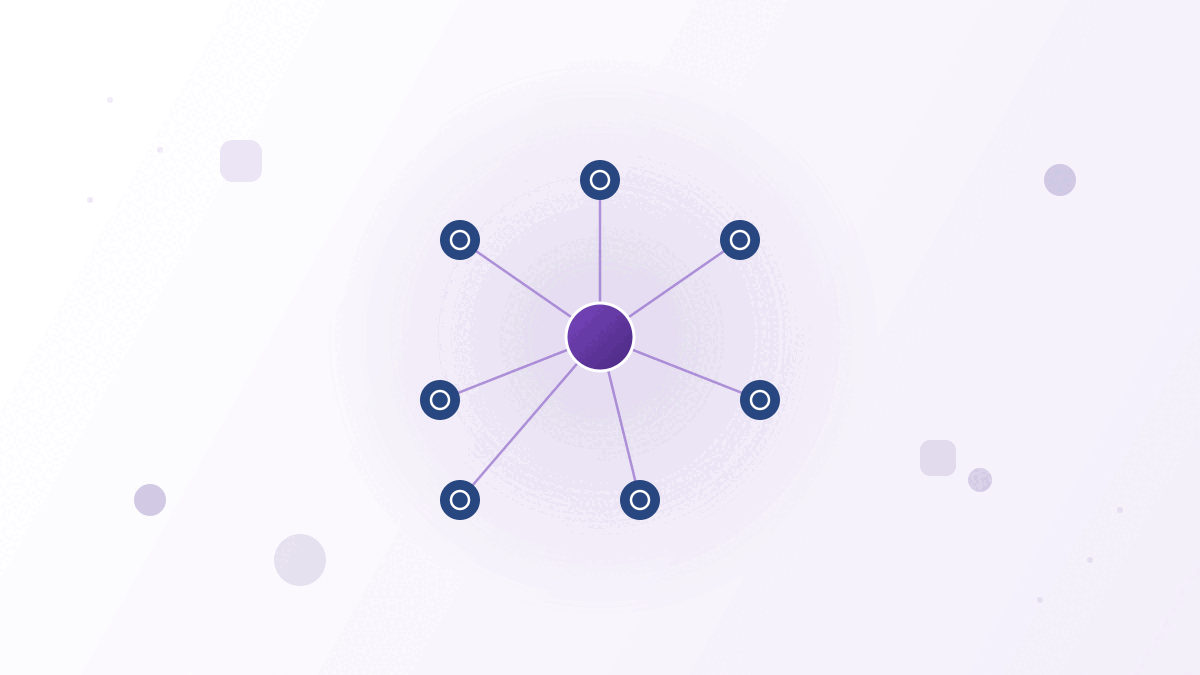
Polymesh blockchain runs on the Substrate framework and uses a Nominated Proof-of-Stake consensus mechanism. Validators secure the network, and token holders can nominate them, earning staking yield in return.
This on-chain governance and identity-first design is what separates Polymesh from a typical smart-contract platform built for open, anonymous use.
Polymesh use cases center on the full lifecycle of security tokens: issuance, compliance, settlement, and governance. POLYX token utility touches every one of these steps, since network fees, staking, and voting all run through the token.
| Use Case | What It Solves |
| Security token issuance | Streamlines legal and compliance steps into the token itself |
| Instant settlement | Removes pre-funding delays seen in traditional markets |
| Staking and validation | Secures the network, rewards node operators |
| Governance voting | Lets token holders shape protocol upgrades |
Because Polymesh blockchain focuses on regulated assets, its main audience is institutions tokenizing real-world securities, not retail apps or general DeFi activity. This is the clearest answer to what is Polymesh coin actually used for in practice.
Polymesh tokenomics use an asymptotic supply model. New POLYX is minted on a fixed schedule until total supply reaches 1 billion tokens, after which annual minting settles at 140 million POLYX.
As of this writing, POLYX trades near ₹3.43, with a market capitalization of about ₹4.4 crore and 24-hour trading volume near ₹22.6 lakh on Mudrex, reflecting its small-cap, thin-liquidity status.
What Makes POLYX Different From Other Cryptocurrencies?
Most cryptocurrency tokens aim for open, permissionless access. POLYX cryptocurrency does the opposite by design, restricting participation to identity-verified entities to meet securities regulations.
This makes Polymesh a poor fit for everyday payments or anonymous DeFi use, but a purpose-built option for institutions issuing compliant, regulated digital assets. Its closest comparison is Polymath (POLY), its predecessor project, though Polymesh is a more mature, standalone chain rather than an Ethereum-based token.
Yes, POLYX carries meaningful risk beyond typical crypto volatility. Its market capitalization and daily trading volume are both small, meaning wider price spreads and higher slippage than large-cap coins like Bitcoin or Ethereum.
This isn’t a reason to dismiss the project outright, since its team and design are legitimate, but it does mean treating POLYX as a high-risk, long-term allocation rather than a core holding. Anyone asking what Polymesh coin is worth buying today should weigh this risk profile first.
You can buy POLYX in India on regulated platforms that support INR deposits. What is Polymesh coin worth checking before you buy? Its exchange listing depth and daily volume, since thin markets can mean wider spreads.
Check the live POLYX price in INR before placing an order, since small-cap tokens can move quickly on low volume.
What is Polymesh coin, in short? It’s a purpose-built token for a permissioned blockchain focused on regulated security tokens, not a general-purpose cryptocurrency. Its tokenomics and use cases are genuinely specialized, but its small market cap, thin liquidity, and steep price decline mean it suits a high-risk, long-term allocation at most.
If you want to explore whether POLYX fits your portfolio, read our detailed Polymesh investment analysis next. Ready to get started? Download the Mudrex app on or visit the Mudrex YouTube channel for more coin explainers.
What is Polymesh? Polymesh is a permissioned blockchain built specifically for issuing and managing regulated security tokens.
How does Polymesh work? It uses identity verification, built-in compliance rules, and a Nominated Proof-of-Stake consensus mechanism to secure the network.
What is POLYX used for? POLYX pays network fees, secures the chain through staking, and lets holders vote on governance decisions.
Who created Polymesh? The Polymesh Association built it, with a core team drawn largely from Polymath, an earlier security token project.
What blockchain does POLYX use? Polymesh runs on the Substrate framework as its own standalone chain, not as a token on Ethereum or another network.
How many POLYX tokens are in circulation? Circulating supply is roughly 1.29 billion POLYX, out of a total supply of about 1.31 billion.
Where can I buy POLYX in India? You can buy POLYX in India on Mudrex, starting from ₹100, using UPI or a bank transfer.
Is Polymesh secure? Its consensus mechanism and identity-verification design are sound, but its small market cap and thin liquidity carry real investment risk.
Cryptocurrency investments, including POLYX, are subject to high market volatility and risk of loss. POLYX is a small-cap, thin-liquidity token that has seen a significant price decline over the past year, and its adoption depends on institutional partnerships that may not materialize. This article is for educational purposes only and is not financial advice. Please consult a qualified financial advisor before making investment decisions.