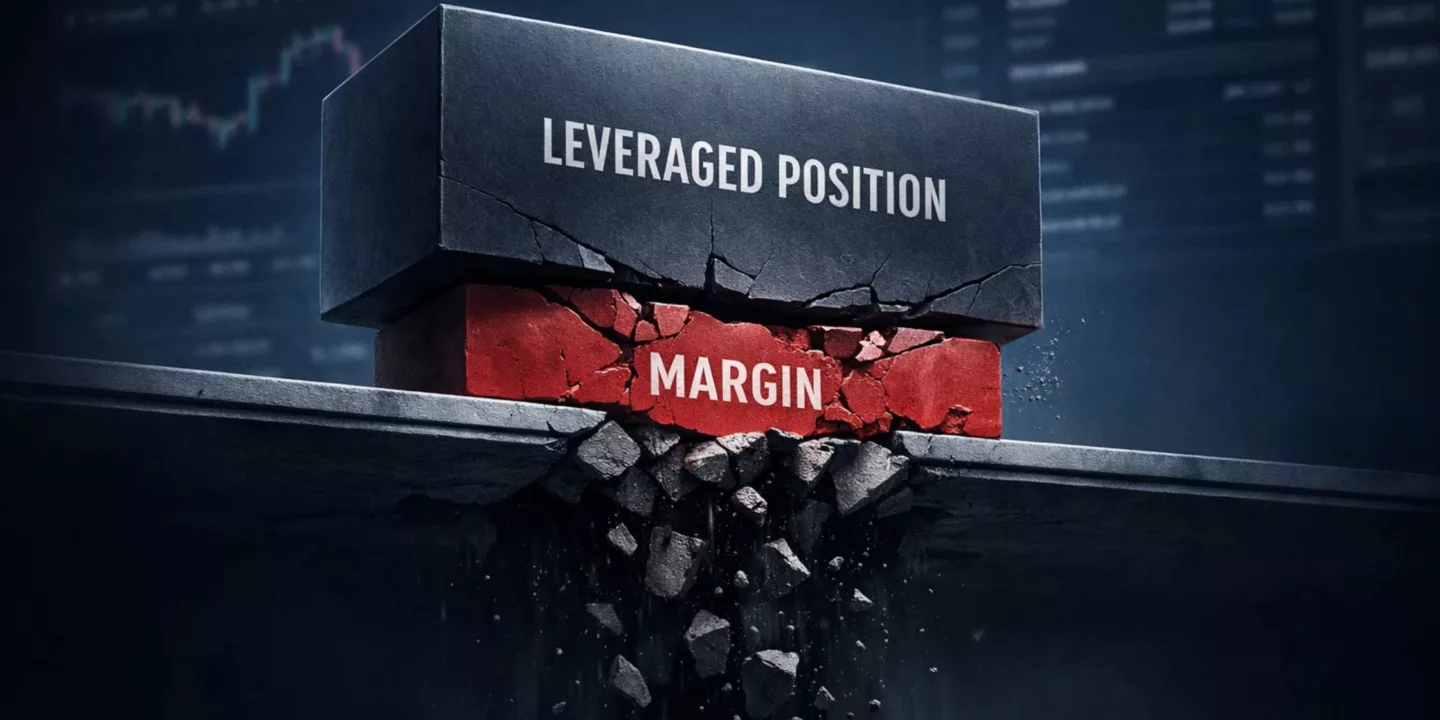

Crypto futures trading allows traders to control large positions using leverage. While this increases profit potential, it also raises a serious concern:
Can you lose more than the margin you deposited?
The short answer is: In most retail cases, no — but in rare extreme situations, yes.
Most major exchanges use liquidation systems and insurance funds to cap losses at your margin. However, flash crashes, thin liquidity, cross-margin exposure, or trading on platforms without negative balance protection can create exceptions. Let’s break it down clearly.
In most normal retail trading scenarios, losses are limited to your deposited margin because exchanges liquidate positions before balances go negative.
However, during extreme volatility or on platforms without negative balance protection, losses can exceed margin.
Major exchanges automatically liquidate positions before your account goes negative. Once your margin falls below maintenance requirements, your trade is force-closed.
Under normal market conditions, your worst-case outcome is losing your margin — not more.
Rare events may cause liquidation to execute at worse prices than expected:
In these cases, margin may not fully cover losses.
Some exchanges offer negative balance protection, ensuring traders never owe more than their deposit.
Others may pass deficits to traders. Always check platform risk policies before trading futures.
Margin is the collateral required to open a leveraged position.
Initial margin is the upfront capital required to open a trade.
For example, ₹10,000 margin with 10x leverage controls a ₹1,00,000 position.
Lower margin means higher leverage, which brings liquidation closer.
Maintenance margin is the minimum equity required to keep the trade open.
When your account balance drops below this level, liquidation begins automatically.
Margin works as security for your leveraged position.
If losses consume the margin, liquidation occurs to prevent further damage.
Liquidation protects both traders and exchanges.
Liquidation happens when equity falls below maintenance margin.
High leverage increases liquidation risk because even small price movements can wipe out margin.
Liquidation price depends on:
Higher leverage brings liquidation closer to your entry price.
Exchanges use liquidation engines to close trades automatically via market orders.
If executed smoothly, losses remain limited to margin.
Most major exchanges maintain insurance funds to cover liquidation deficits caused by slippage.
This is one of the main reasons retail traders typically do not owe extra money.
ALSO READ: How to Margin Trade Bitcoin
Extreme conditions can override normal safeguards.
Sudden price collapses may skip over liquidation levels entirely, causing positions to close at much worse prices.
Rapid upward or downward spikes can result in slippage beyond margin coverage.
If liquidation executes at a significantly worse price than expected, losses may exceed margin.
Small altcoins with thin order books increase deficit risk because there are fewer buyers or sellers available during forced closures.
Cross margin uses your entire account balance as shared collateral across positions.
A single losing trade can drain your full wallet balance before liquidation occurs.
Some exchanges do not guarantee that losses are limited to margin. On such platforms, traders may be responsible for covering liquidation deficits.
Margin mode significantly affects your downside exposure.
Losses are capped at the margin assigned to that specific trade.
This makes isolated margin safer for beginners because risk is clearly defined per position.
Entire wallet balance backs open positions.
While this reduces immediate liquidation risk, it increases total exposure.
If you have ₹50,000 in your account and open a trade using ₹10,000 margin:
| Feature | Isolated Margin | Cross Margin |
|---|---|---|
| Collateral Used | Trade-specific | Entire account |
| Maximum Loss | Limited to margin | Can consume full wallet |
| Risk Level | Lower | Higher |
Negative balance protection prevents your futures account from going below zero.
If liquidation closes at a worse price than expected, the exchange’s insurance fund absorbs the deficit instead of charging the trader.
Some lightly regulated or offshore exchanges may not provide this safeguard. Always confirm platform policies before trading with leverage.
You open a Bitcoin futures trade with ₹10,000 margin at 10x leverage.
Your position size becomes ₹1,00,000.
Bitcoin hits your liquidation price and the exchange closes the trade quickly.
You lose ₹10,000 — and nothing more.
Bitcoin crashes rapidly and liquidation executes below the expected level.
Most major exchanges cover the small deficit using insurance funds.
Liquidity disappears during a severe market crash.
On platforms without negative balance protection, traders could owe deficits beyond margin. These situations are rare but possible.
Auto-deleveraging is a system that reduces profitable traders’ positions to cover liquidation shortfalls.
It occurs during extreme volatility when insurance funds are insufficient.
ADL spreads risk across the system instead of allowing the exchange to become insolvent, ensuring futures markets remain operational.
Even without liquidation, futures trading includes costs that can increase losses.
Perpetual contracts require funding payments between longs and shorts.
Over time, these fees reduce profits or worsen losses.
Keeping losing trades open increases funding payments and raises liquidation probability.
Trading fees, funding rates, and borrowing costs compound over time, slowly eroding margin.
Isolated margin caps risk per position and protects the rest of your wallet.
Lower leverage provides a wider liquidation buffer and reduces sudden wipeouts.
Keep distance between entry price and liquidation price to survive normal volatility.
High liquidity reduces slippage risk during liquidation events.
Always verify whether the platform offers negative balance protection before trading.
Leverage feels unlimited, so beginners assume unlimited loss.
In reality, most retail exchanges cap losses at margin through structured liquidation systems.
Fear is justified during flash crashes, illiquid markets, or on platforms without proper protection.
Professional traders focus on structure:
So, can you lose more than the margin in crypto futures?
In most retail scenarios, no. Liquidation engines and insurance funds are designed to cap losses at your margin deposit.
However, extreme volatility, cross-margin exposure, and platforms without negative balance protection can create rare exceptions.
If you want a safer leveraged trading experience, choose platforms like Mudrex that offer transparent liquidation mechanics and strong retail protections. Trade smart, use leverage responsibly, and always protect your capital first.
On exchanges with negative balance protection, losses are capped at margin and you cannot go into debt. On platforms without protection, deficits may be possible.
If protection exists, the exchange’s insurance fund covers the shortfall. Without protection, traders may owe the remaining deficit.
Isolated margin limits loss to the margin assigned to that trade. Extreme slippage events remain rare exceptions.
Under normal liquidation conditions, yes. Only extreme market gaps or specific platform rules can change this outcome.
Review the exchange’s futures FAQ or risk disclosure section for terms like “negative balance protection” or “losses limited to margin.”