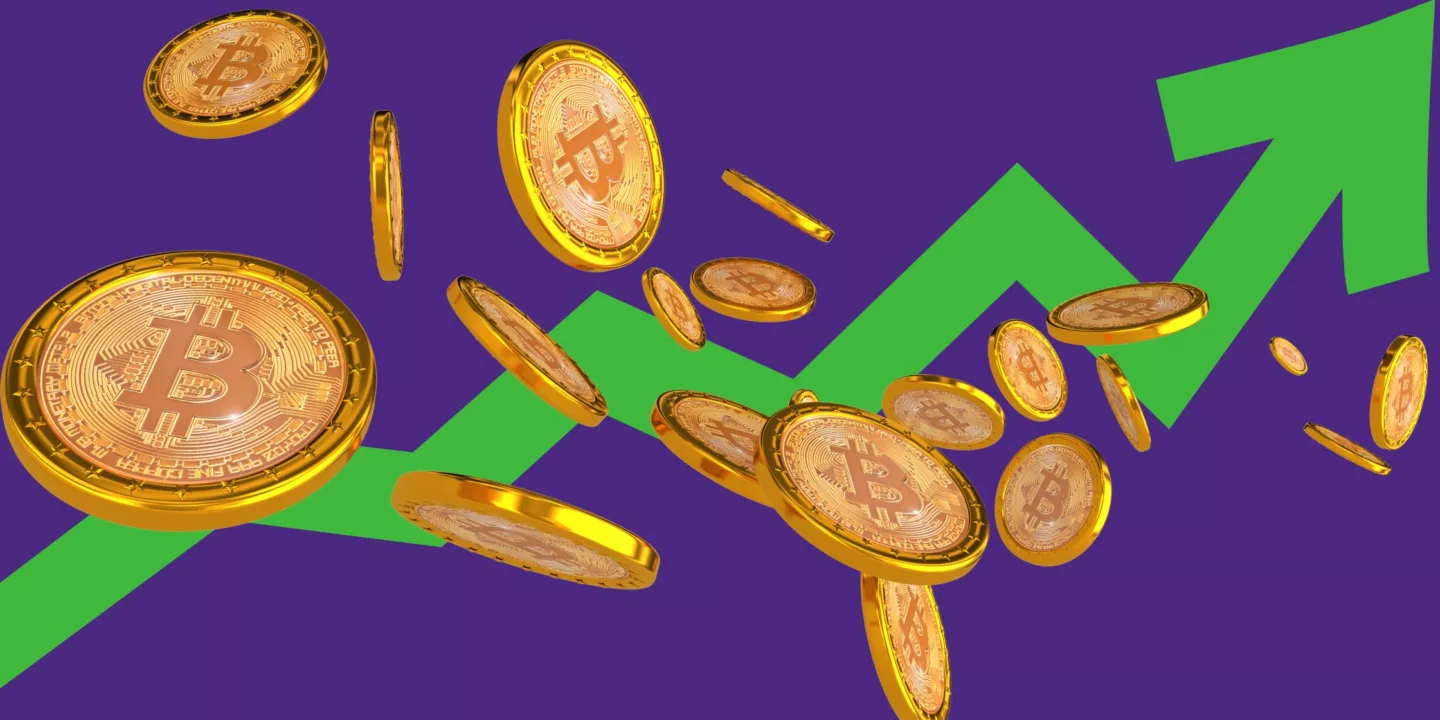

Bitcoin’s journey has been nothing short of extraordinary. Once dismissed as a niche digital experiment, it has become a global asset that challenges traditional financial systems. As Bitcoin inches closer to the milestone of ₹1 crore, investors and enthusiasts alike are left wondering: what is driving this remarkable surge?

In this blog, we’ll explore Bitcoin’s historical trajectory, the key factors propelling its growth, its role in India’s investment landscape, and what every investor should know before diving into this volatile yet promising market.
Bitcoin made its debut in 2009 with a value close to zero. Initially, it was a concept championed by tech enthusiasts who believed in the potential of a decentralized digital currency. However, it gained little attention from mainstream investors in its early years. Over time, its narrative evolved, and Bitcoin became synonymous with innovation, disruption, and opportunity.
Bitcoin’s price trajectory has been a rollercoaster:
Each milestone not only reflects Bitcoin’s growing popularity but also its resilience through multiple boom-and-bust cycles.
Bitcoin’s rise to ₹1 crore is fueled by institutional adoption, global economic shifts, improved usability, scarcity through halving events, and technological advancements. These factors, combined with market sentiment and evolving regulations, highlight its growing role in the financial ecosystem.
Institutional interest has been a significant driver of Bitcoin’s growth. Companies like Tesla, MicroStrategy, and major banks have invested heavily in Bitcoin, viewing it as a hedge against inflation and a store of value. These endorsements have added a layer of legitimacy that attracts more investors.
Economic uncertainty, rising inflation, fiat currency devaluation, and geopolitical instability have positioned Bitcoin as a “haven” asset. Its decentralized nature makes it particularly attractive during times of economic turmoil, as investors seek alternatives to traditional assets like gold or government bonds.
The usability of Bitcoin has improved significantly in recent years. Companies like PayPal, Square, and Mastercard now support Bitcoin transactions, making it easier for consumers to adopt. Additionally, the rise of Bitcoin ETFs and user-friendly trading platforms has democratized access, bringing in retail investors.
Bitcoin’s supply is capped at 21 million coins, ensuring scarcity. Every four years, a halving event occurs, reducing the mining reward by 50%. This halving reduces the new supply entering the market, creating a supply-demand imbalance that often drives up prices. Historically, each halving has been followed by a significant price surge.
Advancements like the Lightning Network—a layer-2 solution built on top of the Bitcoin blockchain—have improved scalability and transaction speed by enabling faster and cheaper transactions. This makes Bitcoin more practical for everyday use, such as microtransactions or real-time payments. Additionally, the growing ecosystem of wallets, exchanges, and custodial services has enhanced accessibility and security for users.
Geopolitical events have also played a role in Bitcoin’s rise. For instance, El Salvador adopted Bitcoin as a legal tender, demonstrating its potential as a national currency. Meanwhile, regulatory clarity in countries like the U.S. and European nations has bolstered investor confidence, even as debates over regulation continue.
Bitcoin’s price is heavily influenced by market sentiment. Positive news triggers Fear of Missing Out (FOMO), driving more people to invest, while negative news can lead to sell-offs. Speculation also plays a significant role, with investors betting on future price increases amplifying the market’s volatility.
The recent ascent of Bitcoin toward ₹1 crore is significantly influenced by President Donald Trump’s pro-crypto stance and the implementation of crypto-friendly policies. His administration’s actions have provided a conducive environment for Bitcoin’s growth.
Pro-Crypto Policies Under Trump’s Administration
• Executive Order Promoting Digital Assets: In January 2025, President Trump signed an executive order titled “Strengthening American Leadership in Digital Financial Technology.” This order aims to protect and promote access to public blockchain networks, support the development of related software, and encourage the growth of dollar-backed stablecoins globally. It also ensures fair access to banking services for individuals and private entities involved in cryptocurrency activities.
• Establishment of the Presidential Working Group on Digital Asset Markets: The executive order established a working group led by David Sacks, the appointed “AI and Crypto Czar.” This group, comprising leaders from the Treasury, Justice Department, and SEC, is tasked with drafting comprehensive regulatory proposals within 180 days. Their focus includes the issuance and operation of digital assets and stablecoins, aiming to provide clear guidelines and foster innovation in the crypto sector.
• Prohibition of Central Bank Digital Currencies (CBDCs): The same executive order explicitly bans the creation of a U.S. central bank digital currency. Instead, it promotes the development and growth of lawful and legitimate dollar-backed stablecoins worldwide, positioning them as alternatives to CBDCs.
These initiatives reflect President Trump’s commitment to eliminating regulatory ambiguity and fostering a favorable environment for cryptocurrencies. By providing clearer guidelines and promoting innovation, his administration has played a pivotal role in driving Bitcoin’s growth toward ₹1 crore.
Bitcoin is gaining traction in India due to rising awareness, rupee depreciation, and evolving regulations. Its growing appeal among tech-savvy investors highlights its role in reshaping India’s financial landscape.
India has witnessed a surge in cryptocurrency awareness, driven by educational initiatives, social media influencers, and the growing curiosity about decentralized digital assets. Platforms like Mudrex make Bitcoin and other cryptocurrencies more accessible to a younger, tech-savvy demographic. It offers a user-friendly interface designed to meet the needs of both novice and experienced investors.
The depreciation of the Indian Rupee against the U.S. Dollar has made Bitcoin an attractive alternative for preserving wealth. For many Indian investors, Bitcoin serves as a hedge against local currency devaluation.
India’s regulatory stance on cryptocurrency has been ambiguous but is gradually leaning towards regulation rather than prohibition. Also, the introduction of taxation on crypto gains, although stringent, has legitimized the market and encouraged participation from a broader audience.
Investing in Bitcoin offers potential rewards but comes with challenges. To succeed, investors should understand its volatility, long-term outlook, and the importance of staying informed. Effective risk management, including diversification, is essential, as is choosing a secure and reliable trading platform.
Bitcoin’s price volatility makes it unsuitable for short-term trading for most investors. However, those with a long-term perspective have historically been rewarded for their patience. Understanding and navigating market cycles is crucial.
The cryptocurrency market is highly dynamic. Investors must stay updated on market trends, regulatory changes, and technological advancements. Reliable news sources and expert analysis can provide valuable insights.
Investing in Bitcoin comes with risks, including market volatility, regulatory uncertainties, and cybersecurity threats. Diversification and a well-thought-out investment strategy can help mitigate these risks.
Selecting a reputable trading platform is essential for secure transactions. Look for platforms that offer robust security features, user-friendly interfaces, and responsive customer support.
Bitcoin’s potential to reach ₹1 crore is not just speculative; it is rooted in concrete factors like institutional adoption, global economic shifts, and its unique attributes of scarcity and decentralization. However, this journey is not without risks.
For investors looking to navigate the exciting yet volatile world of cryptocurrency, informed decision-making is key. Platforms like Mudrex can provide the tools and resources you need to confidently invest in Bitcoin and build a strong, diversified portfolio.
Start your Bitcoin journey today with Mudrex!
Key drivers include institutional adoption, scarcity, global economic conditions, and technological advancements.
Bitcoin halving reduces the supply of new coins, creating scarcity, which historically leads to price increases.
While Bitcoin is not yet fully regulated, it is legal to buy, sell, and hold in India under current laws.
Start small, stay informed, and consider a long-term investment strategy to mitigate risks.
Bitcoin’s limited supply and decentralized nature make it resistant to devaluation caused by monetary inflation.