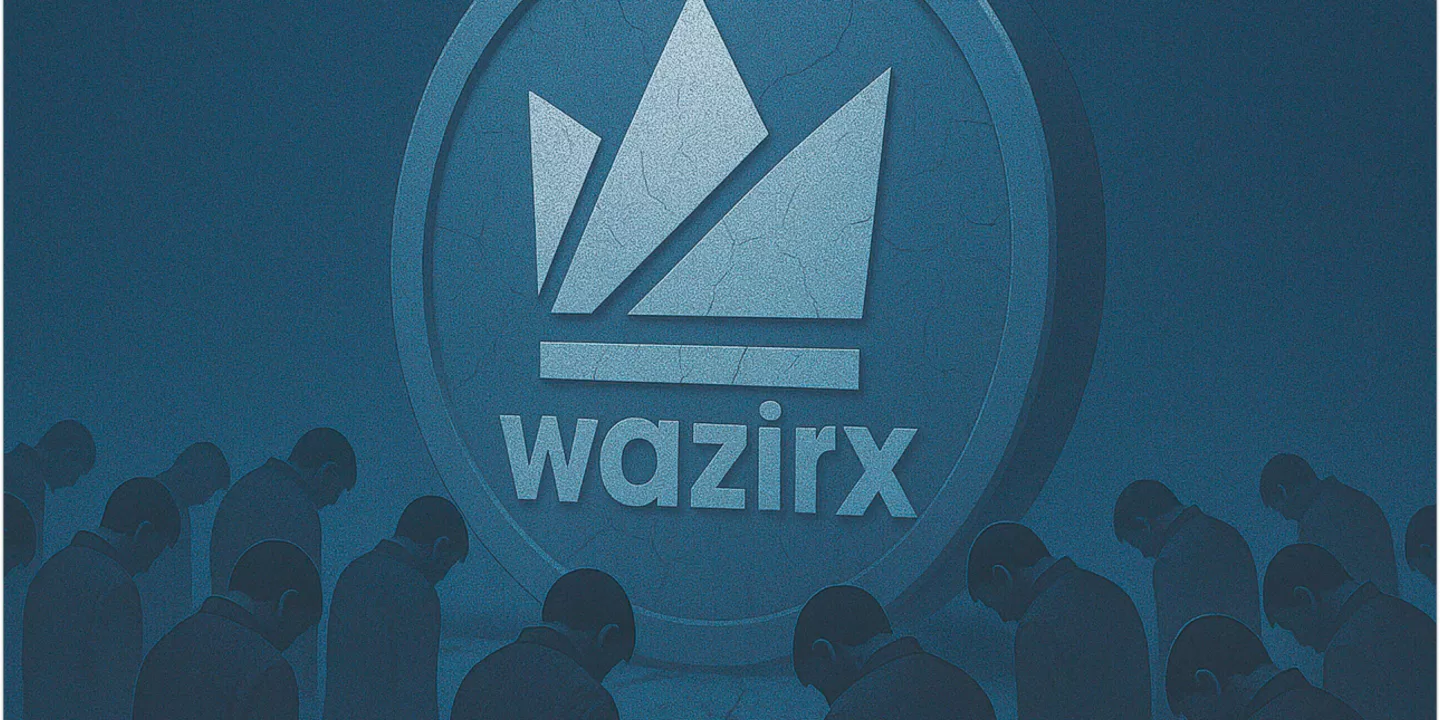

In July 2024, WazirX, one of India’s leading cryptocurrency exchanges, suffered a massive cyberattack that led to the loss of over $230 million in digital assets, impacting millions of users. This incident, one of the largest crypto thefts in India’s history, left users unable to access their funds, sparking widespread concern and frustration.
But why did users lose access to their crypto on WazirX, and what does this mean for the future of crypto trading in India? In this blog, we’ll dive into the details of the WazirX hack, its causes, consequences, and recovery efforts.
On July 18, 2024, WazirX experienced a security breach targeting one of its multisignature (multisig) wallets, resulting in the theft of approximately $230 million—nearly 45% of the platform’s total reserves.

The attack compromised digital assets, including $100 million in Shiba Inu (SHIB) and $52 million in Ethereum (ETH), which were later sold on decentralized exchanges like Uniswap. This incident disrupted WazirX’s ability to maintain a 1:1 collateral ratio, forcing the platform to halt all trading and withdrawals to mitigate further losses.
The breach stemmed from a vulnerability in the multisig wallet managed through Liminal’s digital asset custody infrastructure.
According to WazirX, a discrepancy between the data displayed on Liminal’s interface and the actual transaction payload allowed attackers to replace the payload, transferring wallet control to unauthorized parties.
While Liminal denied any breach in its ecosystem, preliminary investigations suggest the attackers may have used phishing techniques and gained access to multiple private keys.
ALSO READ: 8 Flags that WazirX Users Completely Missed
The immediate aftermath of the hack saw WazirX implement a series of measures that restricted user access to their funds. Here’s why users lost access to their crypto:
Preliminary investigations by blockchain analytics firms like Elliptic and Crystal Intelligence point to North Korean hackers, potentially affiliated with the Lazarus Group, as the likely culprits. The attackers employed sophisticated techniques, including:
These tactics highlight the advanced nature of the attack, raising concerns about the security of centralized crypto exchanges.
WazirX has taken several steps to address the hack and restore user trust, though challenges remain:
Despite these efforts, WazirX has faced criticism for slow updates, lack of transparency, and the socialized loss strategy, which many users view as unfair. A legal advisor from Kroll, working with WazirX, estimated that users might recover only 55–57% of their funds, further fueling discontent.
The WazirX hack affected approximately 4.4 million users, many of whom had invested significant savings in crypto during the 2021 bull run. Stories of financial hardship have emerged, with users like Charan from Andhra Pradesh losing nearly ₹30 lakh and Anuj Sharma from Mumbai unable to access ₹35 lakh in holdings. The inability to trade or withdraw funds during Bitcoin’s 2024 surge to $75,000 added to users’ frustration.
India, ranked first in global crypto adoption by Chainalysis, faces a setback in its crypto ecosystem. The hack has highlighted the need for stronger regulatory frameworks and robust security measures, especially as India’s crypto sector remains largely unregulated despite a 30% tax on capital gains and 1% TDS on transactions.
The WazirX hack underscores the risks of centralized exchanges. Here are steps users can take to safeguard their crypto:
ALSO READ: How to Secure your Crypto
WazirX officially resumed operations on October 24, 2025, marking the end of its 16-month shutdown following the $230 million hack. The Singapore High Court approved the exchange’s restructuring plan in October 2025, with over 95% of creditors supporting the recovery scheme. This approval has enabled WazirX to restart trading and begin the process of compensating affected users.
The relaunch has introduced several key features designed to restore user confidence and rebuild the platform. Trading operations are being rolled out in phases over four days, with approximately 25% of tokens being enabled each day until full functionality is achieved by October 27, 2025.
To address the security vulnerabilities that led to the original hack, WazirX has partnered with BitGo, a leading US-based digital asset custody provider, to implement institutional-grade, insured custody solutions. This partnership aims to provide enhanced security measures and rebuild user trust through world-class custody standards.
The recovery process for affected users is now underway through a structured approach. WazirX has committed to initiating token distributions to creditors within 10 business days of the relaunch. The company has also introduced Recovery Tokens (RTs) as part of its innovative compensation mechanism. These tokens are issued on a pro-rata basis to affected users and can be purchased back by the platform using recovered assets and future profits generated from operations.
Under the recovery scheme, users can expect to receive approximately 85% of their original balances through the initial distribution and Recovery Token system. The remaining recovery depends on WazirX’s ability to generate profits from its operations and recover stolen assets. Recovery Token purchases will occur at three-month intervals, provided the platform achieves net recoveries of at least $10 million during each period.
The exchange’s restructuring has been supervised by the Singapore High Court, providing legal framework and oversight for the recovery process. This court-supervised approach represents one of the fastest restructuring processes in the global crypto industry, despite the platform suffering one of the largest cyberattacks in the sector’s history.
For users, the relaunch represents both opportunity and cautious optimism. While the platform has resumed operations with enhanced security measures and a clear recovery plan, questions remain about the long-term viability and the complete recovery of lost funds. The success of WazirX’s comeback will depend on its ability to rebuild trust, maintain security standards, and generate sufficient revenue to support ongoing Recovery Token purchases.
The WazirX hack of July 2024 remains a watershed moment for India’s cryptocurrency ecosystem, but the exchange’s successful relaunch in October 2025 demonstrates the possibility of recovery even after devastating setbacks. Through a court-supervised restructuring process and innovative Recovery Token mechanism, WazirX has established a new model for crypto exchange recovery that balances immediate user needs with long-term asset recovery prospects.
As crypto markets continue to mature globally, the WazirX incident and its resolution offer valuable lessons about the importance of robust security infrastructure, transparent communication, and structured recovery processes. For Indian crypto users, the successful restructuring provides hope that proper legal frameworks and innovative recovery mechanisms can protect investors even in worst-case scenarios.
However, the crypto landscape remains inherently risky, and the WazirX incident underscores the critical importance of diversifying holdings across multiple platforms and maintaining personal security practices. While WazirX has implemented enhanced security measures through its BitGo partnership and rebuilt its platform with institutional-grade standards, users should continue to exercise caution and implement personal security measures when trading cryptocurrencies.
For those seeking a secure platform to continue their crypto journey, platforms that prioritize regulatory compliance, security-first architecture, and transparent operations remain essential. The crypto industry’s evolution toward better security standards and regulatory frameworks, accelerated by incidents like the WazirX hack, ultimately benefits all users by creating safer and more reliable trading environments for digital asset investments.
Want real-time market updates, expert insights, and trading discussions? Join the Mudrex Official Telegram Community now and stay ahead of the crypto market!