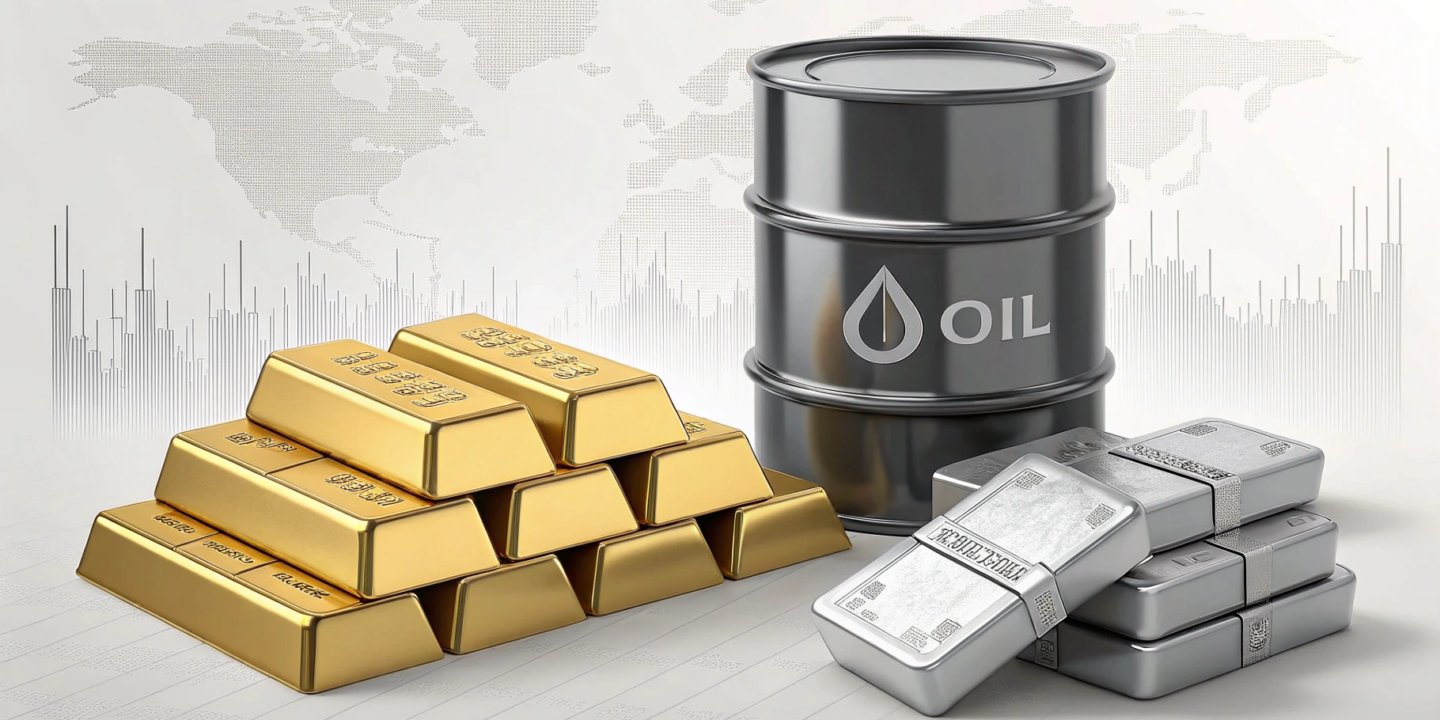

Commodity trading is a way to participate in the price movement of commodities. These commodities are traded in a commodity market, which can be a physical or digital marketplace where such goods or contracts linked to them are bought and sold. A commodity is generally a physical good that comes from a natural resource and is broadly similar across producers, such as gold, oil, or agricultural products.
This guide explains the basics of the commodity market in a beginner-friendly way.
Commodity trading means buying, selling, or trading commodities like gold, silver, crude oil, natural gas, and agricultural products.
But in modern markets, traders do not always physically buy these goods. For example, someone trading crude oil does not usually receive barrels of oil at home. Instead, they may trade contracts linked to the price of crude oil.
That is why when beginners ask what commodity trading is, the easiest answer is that it is a way to trade the price movement of real-world goods.
The commodity market is where commodities are traded. These markets help buyers, sellers, traders, businesses, and investors discover prices.
For example, gold prices, silver prices, and crude oil prices keep changing based on global demand, supply, currency movements, inflation, interest rates, and geopolitical events.
The commodity market can include:
For a beginner, the most important thing to understand is that the commodity market connects real-world goods with financial markets.
Commodities are usually grouped into a few categories.
These include gold, silver, copper, aluminium, and zinc. Gold and silver are popular because they are often seen as stores of value.
These include crude oil, natural gas, and other fuel-related commodities. Energy prices can move sharply because they are affected by global demand, supply cuts, wars, and economic activity.
These include wheat, cotton, sugar, coffee, soybean, and similar products. Their prices may depend on weather, harvest quality, demand, and government policies.
Commodity trading usually works by taking a view on whether the price of a commodity will rise or fall.
For example, if a trader believes gold prices may rise, they may take a position linked to gold. If the price rises as expected, they may make a profit. If the price falls, they may face a loss.
In India, commodity trading commonly happens through exchanges such as MCX, where products like gold, silver, and crude oil are actively traded.
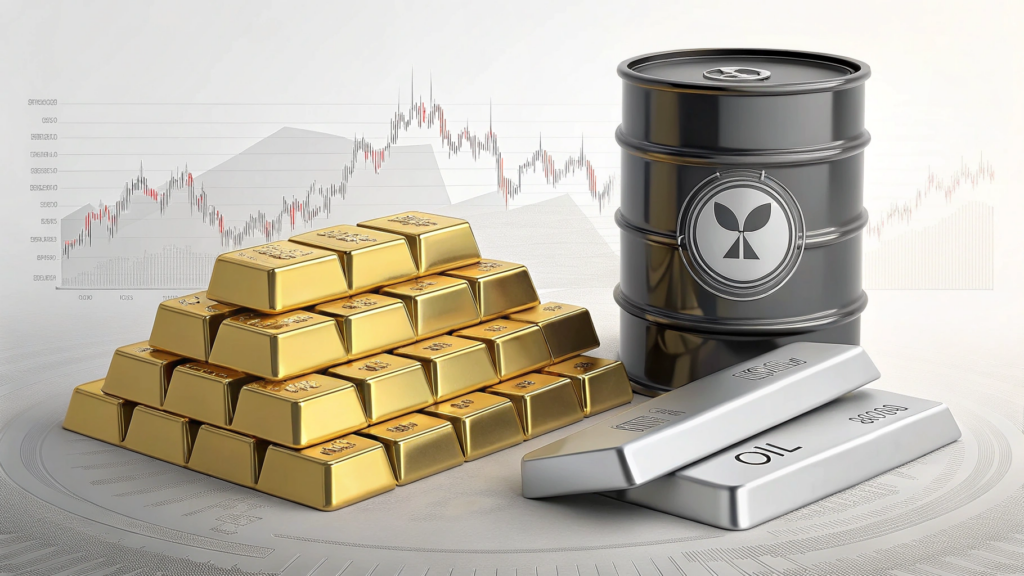
People trade commodities for different reasons.
Some traders use the commodity market to benefit from price movements. Some businesses use it to manage risk. For example, a jewellery business may track gold prices closely, while an airline may care about fuel prices.
Common reasons include:
However, commodity trading is not risk-free. Prices can move quickly, especially in energy and metals.
Commodity trading and stock trading are different.
When you buy a stock, you are buying ownership in a company. When you trade a commodity, you are taking exposure to the price of a raw material or natural resource.
| Factor | Commodity Trading | Stock Trading |
|---|---|---|
| What you trade | Gold, silver, crude oil, crops | Company shares |
| Main driver | Demand, supply, global prices | Company performance |
| Ownership | Usually no company ownership | Partial company ownership |
| Risk | Price volatility, leverage, expiry | Business and market risk |
This is why beginners should not treat the commodity market exactly like the stock market.
Commodity trading can be useful, but it can also be risky.
Key risks include:
Before trading, beginners should understand the product, contract size, margin, fees, and possible losses.
Apart from traditional commodity markets, some platforms also offer digital ways to get exposure to commodity price movements.
On Mudrex, users can explore digital commodity-linked markets such as XAUUSDT, XAGUSDT, and CLUSDT.
For beginners:
Think of these as digital ways to track and trade commodity-like price movements without handling physical gold, silver, or oil. They may also offer more flexible access compared with traditional market hours, depending on platform availability.
However, these products still carry trading risk. Prices can move up or down, and beginners should understand how they work before using them.
So, What is Commodity Trading? It is the buying, selling, or trading of commodities such as gold, silver, crude oil, natural gas, and agricultural goods. The commodity market helps people participate in the price movement of these real-world assets.
For beginners, the goal should not be to jump into trades quickly. First understand what commodities are, how prices move, what risks exist, and how different products work.
Before investing or trading, always understand the product, fees, risks, and your own risk appetite. To learn more about US stocks, crypto, trading strategies, and market trends, explore more guides on Mudrex Learn and watch beginner-friendly explainers on the Mudrex YouTube channel.
A commodity trade is the buying or selling of a raw material or natural resource, such as gold, silver, crude oil, natural gas, or agricultural products, either physically or through a market-linked contract.
Globally, some of the most widely followed commodities are crude oil, gold, and natural gas because they are heavily traded and closely linked to the global economy.
Yes, MCX trading is legal in India when done through registered brokers and regulated exchanges. SEBI regulates India’s commodity derivatives market.