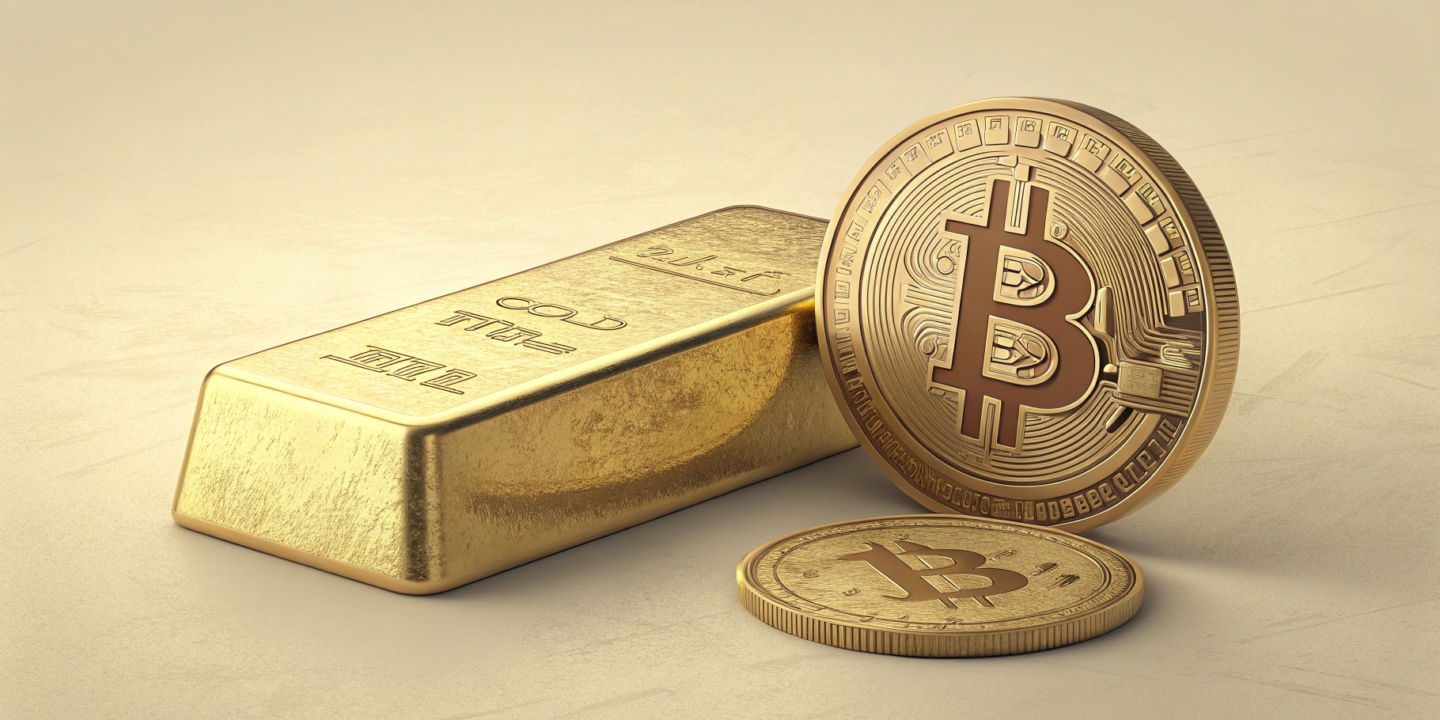

When people think of Gold vs Bitcoin [BTC] and which is better for value retention, they’re want something that can hold purchasing power through inflation, uncertainty, and market cycles. Gold is the classic store of value with centuries of trust. Bitcoin is the digital challenger with a fixed supply and growing adoption.

This guide breaks it down.
| Factor | Gold | Bitcoin | What it means for value retention |
|---|---|---|---|
| Volatility | Lower | Higher | Gold is easier to hold without panic-selling |
| Track record | Centuries | ~15+ years | Gold has longer trust history; BTC has shorter but growing history |
| Scarcity | Limited, mined supply | Hard-capped supply (21M) | Both are scarce, but BTC scarcity is programmatic |
| Liquidity & access | High, but can be slower (physical) | High, instant, 24/7 | BTC is faster to move/sell; gold can have more friction |
| Storage/custody | Physical storage, purity risks | Private keys, exchange/wallet risks | Risk shifts from “physical” to “digital security” |
| Inflation hedge narrative | Traditional hedge | Still debated; adoption-driven | Gold is the established hedge; BTC is more thesis-based |
| Regulation/tax clarity | Often clearer | Varies widely | Gold is usually more straightforward; BTC depends on jurisdiction |
Value retention is about avoiding permanent loss of purchasing power, not winning every month. These five differences matter most.
Gold typically moves slower. Bitcoin can swing hard, often in short bursts. That matters because the biggest enemy of value retention is behavior.
If an asset drops 40-70% and you sell in panic, you lock in a loss and break the “retain value” goal.
Gold is scarce because it’s difficult and costly to mine, and supply tends to grow slowly. Bitcoin is scarce by design: the supply is capped at 21 million, with issuance slowing over time.
Gold has been used as money, jewelry, and a reserve asset for centuries. Bitcoin is newer and still building its long-term reputation.
Both can be liquid, but the experience differs.
Gold’s risks are physical: storage, theft, authenticity/purity, and sometimes insurance costs. Bitcoin’s risks are digital: losing private keys, phishing, exchange hacks, or unsafe custody setups.
A good “best investment” answer depends on when you might need the money and how well you can sit through uncomfortable periods.
Short horizons reward stability. You don’t have much time to recover from big drawdowns.
This is where outcomes can vary. Bitcoin might go through a full cycle (boom-bust-recovery), and gold may do its job quietly.
Longer horizons give you more room to ride cycles. Here, “value retention” can blend into “wealth compounding.”
A simple decision guide

When currency purchasing power erodes, gold often holds up better than many paper assets over long spans. Bitcoin’s inflation-hedge case is different: it’s built on fixed supply and the idea that a scarce digital asset should store value as fiat expands.
In reality, Bitcoin’s price can be influenced heavily by broader market sentiment; sometimes behaving like a risk-on asset. That doesn’t “disprove” the hedge thesis, but it means the hedge can be uneven across shorter periods.
How to think about it
Risk-reduction checklist (for either asset)
For value retention, gold is usually the steadier choice: it has deep historical trust, tends to be less volatile, and works well as a conservative hedge. Bitcoin is the higher-volatility alternative: it has a hard-capped supply and growing adoption, but can experience sharp drawdowns that test your ability to hold. For many investors, a blended approach can offer a balanced way to preserve value while keeping some exposure to digital scarcity.
To make better crypto decisions, focus on learning fundamentals, managing risk, and staying informed. Explore more guides on Mudrex Learn or the Mudrex YouTube Channel.
Generally yes, for value retention; gold is typically less volatile, making it easier to hold through short-term uncertainty.
For some investors, it can complement gold. But due to higher volatility and a shorter track record, many treat it as a partial alternative, not a full replacement.
Gold is usually simpler and steadier. Bitcoin can work if you start small, understand custody, and are comfortable with volatility.
If you want diversification across traditional and digital scarcity, a measured allocation to both can make sense, especially with a longer time horizon.
Keep allocations reasonable, spread out entries, align with your time horizon, and prioritize secure custody (storage/purity for gold; wallet security and key protection for Bitcoin).