
Tether Gold [XAUT] is a tokenized gold product designed to track gold’s value, but “safe” depends on what you mean: price stability, backing and custody, the ability to sell quickly, or protection from hacks and exchange failures.
In this guide, you’ll learn what is Tether Gold, how XAUT works, what can influence the XAUT price (and tether gold price), the real risks to watch, and a simple checklist to decide is XAUT a good investment for your goals.
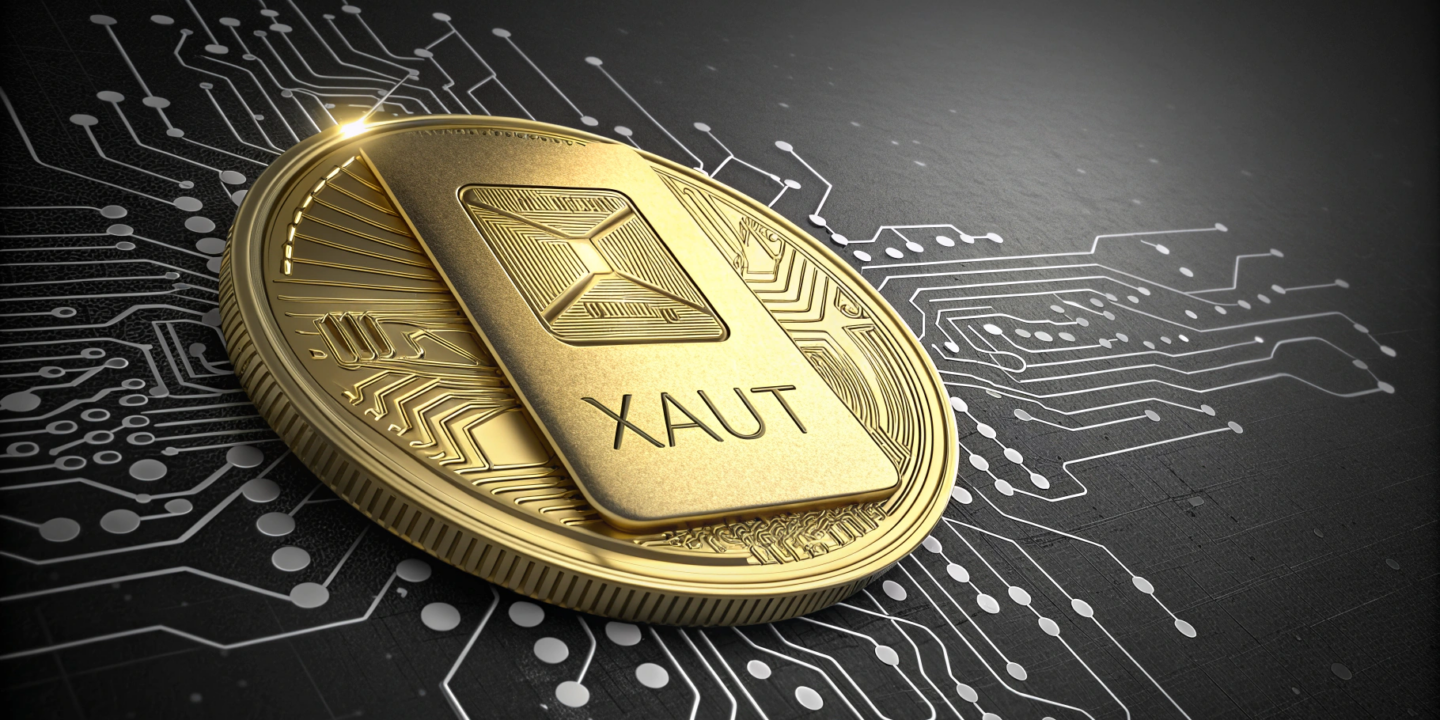
Tether Gold is a token that represents ownership of physical gold in a tokenized form. The token itself is XAUT. XAUT will give you gold exposure while keeping the convenience of crypto – transferable, divisible, and tradeable on supported platforms.
People often call it crypto gold because it’s gold exposure packaged as a crypto asset. That also creates confusion with terms like xaut stock; but XAUT isn’t a stock. It doesn’t represent equity in a company. It’s closer to a digital certificate tied to gold, with its own issuer and custody structure.
This is the first aspect when judging “is XAUT safe?”
Many buyers assume “gold-backed” automatically means “safe,” but it’s more than that. When people ask is XAUT safe, they’re often really asking: Is XAUT actually backed by gold in a way I can trust?
Tokenized gold typically claims each unit corresponds to a quantity of physical gold held in custody. In practice, your confidence depends on:
Backing can reduce one type of risk – wild price drift from the underlying gold – but it doesn’t remove issuer risk. If you buy XAUT, you’re trusting the issuer and their custody chain to maintain reserves and honor redemptions (where applicable). That’s why “backed” is not the same as “guaranteed.”
A helpful way to think about it: the tether gold price and XAUT price should generally follow gold’s market value, but your ability to realize that value depends on liquidity, platform access, and issuer/custodian reliability.
| Safety question | Quick answer | What to check (fast) | Risk if ignored |
|---|---|---|---|
| Is XAUT safe as a gold tracker? | Usually tracks gold, but not perfectly | Compare XAUT price/tether gold price vs spot gold; watch spreads | Overpaying (premium) or selling cheap (discount) |
| Is XAUT actually backed by gold? | Backing is issuer-based (trust chain) | Reserve disclosures/attestations; how often updated; custody info | Counterparty risk if backing is disputed/weak |
| Is XAUT a “stock”? (xaut stock) | No—XAUT crypto is tokenized gold, not equity | Understand it’s a commodity-linked token | Wrong expectations (growth vs hedge) |
| Can I exit easily? | Depends on venue liquidity | Trading volume, order book depth, bid–ask spread | Slippage, slow exits in volatile markets |
| Is holding on an exchange safe? | Convenient, but higher counterparty risk | Exchange reputation, withdrawal history, security features | Hacks, freezes, insolvency risk |
| Is self-custody safer? | Can be—if you manage keys well | Hardware wallet; seed phrase stored offline; test transactions | Permanent loss via key loss/phishing |
| Does XAUT have smart contract/network risk? | Yes (like most tokens) | Token contract address verification; network fees/transfer steps | Wrong token, scam contracts, failed transfers |
| Is XAUT a good investment? | Good for gold exposure, not “moon” returns | Your goal: hedge/diversification vs high growth | Misfit asset → disappointment or bad timing |
| Is tether gold a good investment? | Similar answer—depends on risk comfort | Compare to ETF/physical gold based on your needs | Choosing the wrong “gold wrapper” |
The XAUT price is designed to mirror the price of gold, so the biggest driver is still the global gold market. That said, the XAUT price you see on an exchange can differ slightly from “spot gold” due to market mechanics.
Common factors include:
So, if you ever notice XAUT trading “a bit off,” it’s not automatically a red flag; but it is a reminder that you’re trading a market product, not holding a gold bar in your hand.
When it comes to “Is XAUT safe?”, there are two different “safety” conversations: asset safety (does it track gold and is it backed?) and storage safety (can I lose it due to hacks, scams, or custody mistakes?).
Holding XAUT on an exchange is convenient for trading, but the trade-off is counterparty risk:
If you’re holding long-term, leaving XAUT on an exchange can be the biggest avoidable risk—regardless of whether XAUT is well-backed.
Self-custody reduces exchange risk, but it introduces personal responsibility risk:
If you choose self-custody: use strong 2FA where applicable, verify addresses, avoid random links, and consider a hardware wallet for long-term storage.
Is XAUT safe? Here are the key risk buckets to understand:
None of these automatically make XAUT “bad.” They just clarify that tokenized gold is a blend of gold exposure and crypto infrastructure risk.
Use this as a simple decision filter:
So, what’s the verdict?
Is XAUT safe? If you understand the trade-offs, yes.
It’s tied to physical gold value (so tether gold price and XAUT price generally follow gold), but it still carries issuer/custody, liquidity, regulatory, and storage risks that physical gold and traditional products handle differently. XAUT isn’t xaut stock; it’s a tokenized gold instrument that works best when used intentionally for diversification and managed with strong custody hygiene.
To keep learning and make better crypto decisions, explore other blogs on Mudrex Learn and check out explainers on the Mudrex YouTube channel.
It can be, but beginners should focus on safe custody first—avoid scams, use strong security, and don’t leave long-term holdings on exchanges.
Tether Gold (XAUT) tracks gold, not USD. It’s commodity-backed exposure, not a dollar-pegged stablecoin.
Liquidity, spreads, and exchange conditions can cause small premiums/discounts versus the underlying gold price.
It can be a useful diversification tool if you want gold exposure in crypto form, but it’s not risk-free due to issuer/custody and platform risks.
XAUT offers crypto-native portability; ETFs often offer more traditional regulation and brokerage access. The “best” choice depends on your priorities.