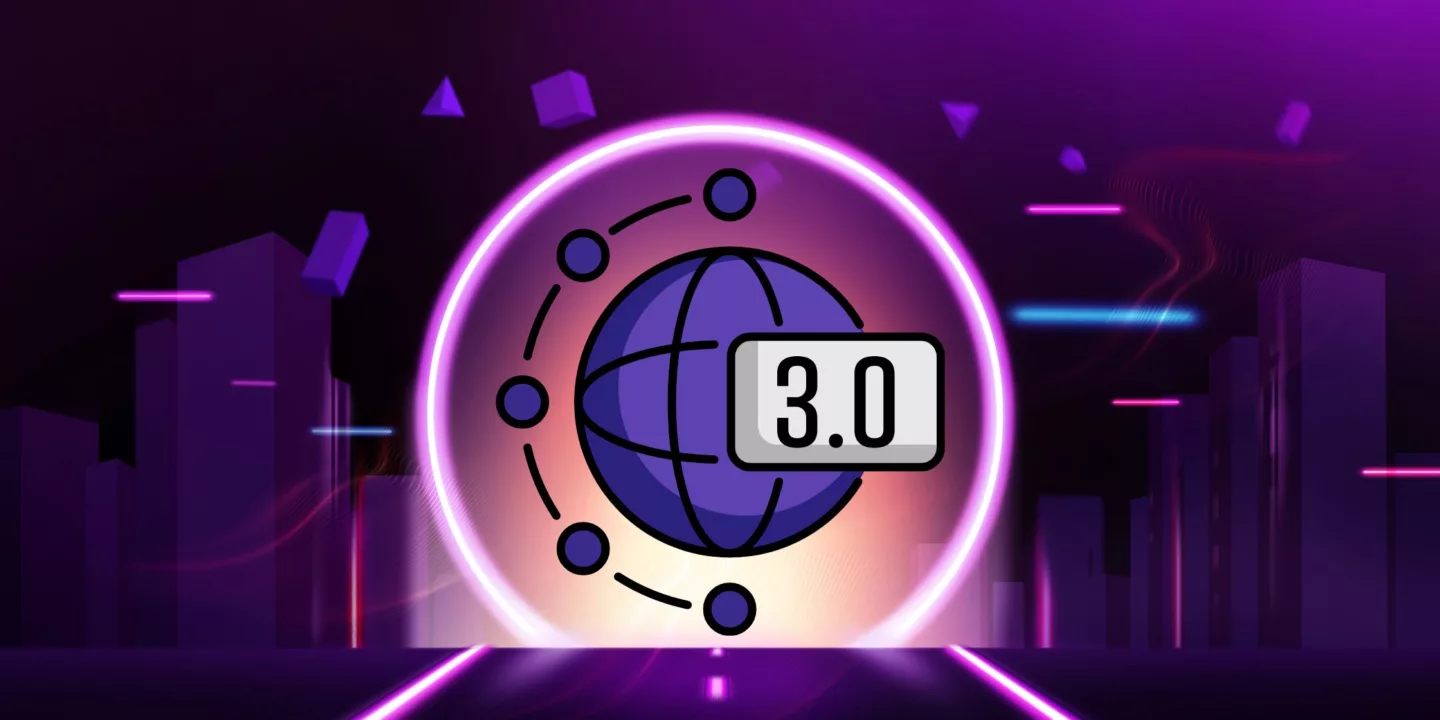

Web 3 browsers are transforming how we interact with the internet by introducing decentralized and user-focused technologies. Unlike traditional browsers, Web 3 browsers enable direct interaction with blockchain networks, enhancing privacy, security, and user control over data. These browsers integrate cryptocurrency wallets, decentralized applications (dApps), and tokenized systems, paving the way for a more transparent and equitable digital ecosystem. This blog will explain Web 3 browsers and explore its many benefits.
Web 3 browsers are next-generation internet browsers designed to interact seamlessly with decentralized networks and blockchain technologies. Unlike traditional browsers that operate on centralized servers, Web 3 browsers integrate blockchain systems to enable direct interaction with decentralized applications (dApps), cryptocurrencies, and tokenized assets. These browsers emphasize user control, privacy, and security, offering features like built-in cryptocurrency wallets and decentralized identity management.

Popular Web 3 browsers include Brave, Opera Crypto Browser, and MetaMask, which provide tools for interacting with the blockchain ecosystem. They allow users to access decentralized finance (DeFi), non-fungible tokens (NFTs), and other Web 3 innovations without relying on intermediaries. Web 3 browsers represent a crucial step towards the decentralized, transparent, and user-centric internet envisioned by Web 3.0.
Web 3 browsers revolutionize internet usage by integrating decentralized technologies, providing users with enhanced control, security, and access to blockchain-based features. Here are the key benefits –
Web 3 browsers are designed to prioritize user privacy. Unlike traditional browsers that often track and store user data for advertising purposes, Web 3 browsers block trackers and ads by default. They encrypt data locally, ensuring it stays on your device rather than being shared with third parties. For example, Brave’s “Shields” feature protects users from invasive ads and malware.
In Web 3 browsers, users gain full control over their data. Blockchain technology allows individuals to own and manage their digital identities without relying on centralized intermediaries. This prevents unauthorized access and provides peace of mind that your information isn’t being sold or misused.
Web 3 browsers act as a gateway to the decentralized web. Users can seamlessly interact with DApps for activities like gaming, trading cryptocurrencies, or accessing decentralized finance (DeFi) platforms. This eliminates the need for multiple tools and makes blockchain-based services more accessible.
Many Web 3 browsers include built-in wallets that allow users to manage, send, and receive cryptocurrencies directly within the browser. This simplifies crypto transactions and provides secure access to blockchain services without needing external wallet applications.
These browsers empower users to customize their browsing experience, from setting advanced privacy controls to choosing how they interact with online content. For instance, browsers like Brave allow users to opt into its reward system, where they can earn cryptocurrency (Basic Attention Token) to view privacy-respecting ads.
Some Web 3 browsers introduce innovative reward systems. Users can earn tokens or cryptocurrency by engaging with specific advertisements or content. These rewards can be used to support creators, make donations, or even as personal compensation for time spent online.
Web 3 browsers are increasingly compatible with multiple devices and blockchain platforms. This ensures that users can access their wallets, DApps, and data seamlessly across smartphones, tablets, and desktops. Opera Web3, for example, supports numerous blockchain networks, making it highly versatile.
Web 3 browsers are shaping the future of Internet browsing by prioritizing user-centricity, transparency, and decentralization. These benefits highlight why Web 3 browsers are gaining traction among users who value privacy, security, and a decentralized internet experience. They represent the future of browsing, offering a blend of control, transparency, and innovation.
ALSO READ: 7 Best Web 3.0 Browsers
While Web 3 browsers offer significant advantages, they also come with notable challenges and considerations that can impact their adoption and usability –
Addressing these challenges will be crucial for the wider adoption of Web 3 browsers, requiring continued innovation, education, and ecosystem development.
Web 3 browsers represent the next step in internet evolution, offering enhanced privacy, decentralization, and direct access to blockchain-powered services. By empowering users with more control over their data and fostering a secure environment for digital interactions, these browsers pave the way for a more equitable online experience. As adoption grows, the potential for investment and innovation in the Web 3 space is immense.
Platforms like Mudrex can help you explore opportunities within this ecosystem and make informed decisions. Embrace the future of the internet while staying educated and proactive in your crypto and Web 3 journey.
What are the advantages of Web3 over Web 2?
Web3 introduces a decentralized approach to the internet, providing significant advantages over Web 2.0. These include enhanced privacy and security, as users have control over their personal data instead of relying on centralized platforms. Through blockchain technology, Web3 allows for transparent and tamper-proof transactions, reducing the influence of tech giants. It also enables ownership of digital assets and fosters the creation of decentralized applications (dApps), allowing greater innovation in areas like finance (DeFi), gaming, and social networks.
Why is Web 3.0 better?
Web3 is considered better due to its fundamental shift towards decentralization; unlike Web 2.0, where a few companies control and profit from user data, Web3 allows individuals to own and control their own information. It enhances user privacy by minimizing data breaches and exploits. Web3 also incorporates advanced technologies like blockchain and smart contracts, enabling secure and trustless peer-to-peer transactions without intermediaries. This leads to more efficient and secure online interactions, particularly in sectors like finance, supply chains, and digital identity management.
Is Web3 useful?
Yes, Web3 is incredibly useful as it transforms various industries by shifting control back to users. In the finance sector, it powers decentralized finance (DeFi), offering users the ability to lend, borrow, or earn interest on assets without relying on traditional banks. In the realm of gaming, Web3 enables the creation of play-to-earn models and decentralized gaming economies. It also allows for the creation of non-fungible tokens (NFTs), which have revolutionized ownership of digital art and collectibles.
What are the benefits of Web3 autonomy?
Web3 autonomy provides users with unprecedented control over their digital lives. Instead of being dependent on centralized platforms or corporations, individuals can own their personal data and digital assets. Through blockchain and decentralized technologies, users have more control over their online identities and financial transactions. This autonomy significantly reduces the risk of censorship and enables secure and private interactions. Web3 empowers creators by allowing them to monetize their content directly without intermediaries taking a significant share of the revenue.