
Understanding how to effectively use a Stochastic Oscillator in crypto trading can significantly enhance your trading strategy. This powerful technical analysis tool helps identify overbought and oversold conditions, aiding in decision-making.
Traders can pinpoint optimal entry and exit points by interpreting their key components and applying common strategies. However, it’s crucial to be aware of its limitations and combine it with other indicators for more accurate predictions. This guide will walk you through the essentials of utilizing a Stochastic Oscillator in the dynamic world of crypto trading.

A Stochastic Oscillator is a popular technical analysis tool used in crypto trading to determine the momentum of an asset. It compares the closing price of a cryptocurrency to its price range over a specified period. This comparison helps traders identify potential overbought or oversold conditions in the market, aiding in making informed trading decisions. By understanding these market conditions, traders can optimize their entry and exit points, enhancing their overall trading strategy and potential profitability.
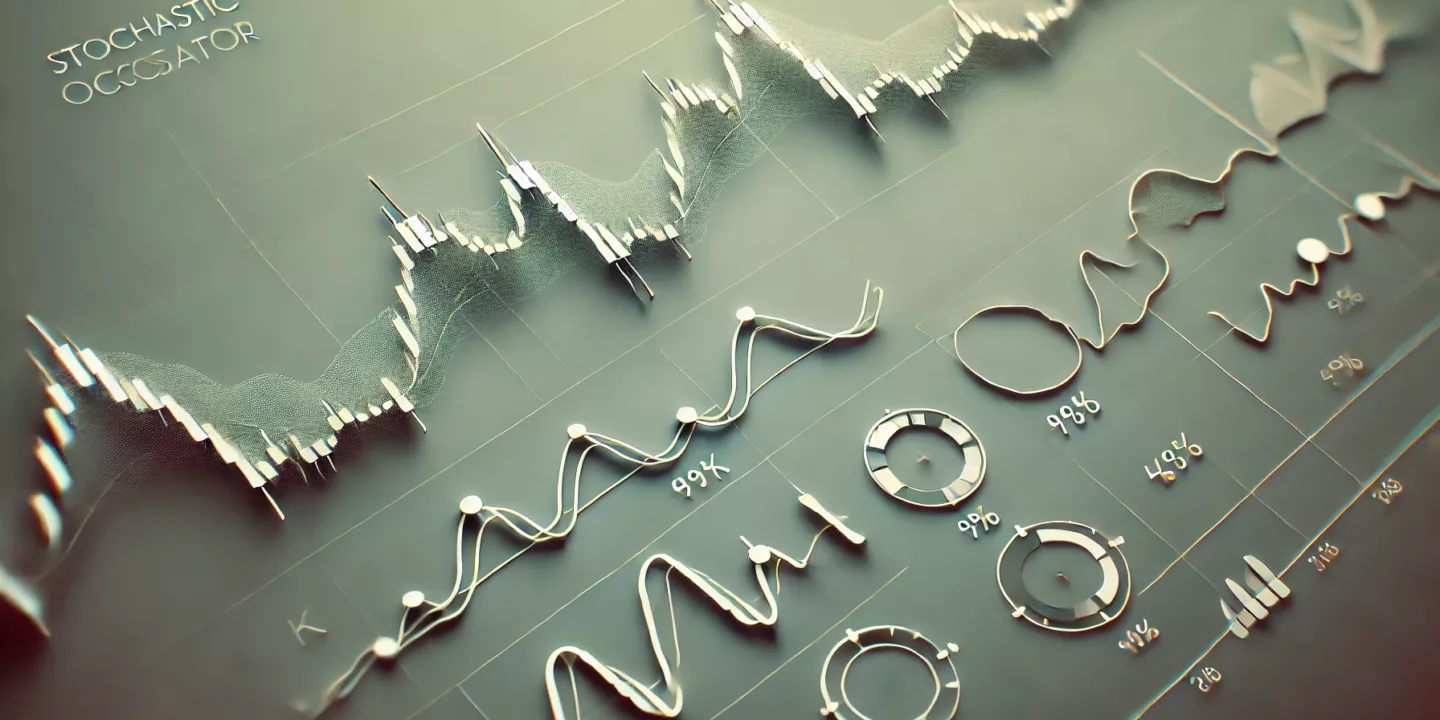
The Stochastic Oscillator operates on the principle that prices tend to close near their high in an uptrend and near their low in a downtrend. It consists of two lines: %K and %D. The %K line represents the current closing price relative to the price range over a set number of periods, while the %D line is a moving average of %K. These lines fluctuate between 0 and 100, providing a visual representation of the asset’s momentum. When combined with other technical analysis tools, the Stochastic Oscillator can offer valuable insights into market trends and potential price movements.
By understanding and utilizing the Stochastic Oscillator effectively, traders can enhance their ability to identify potential buying and selling opportunities in the crypto market, while also being aware of its limitations. Combining this tool with other analysis methods can provide a more comprehensive trading strategy and improve decision-making processes.
Mastering the stochastic oscillator can significantly enhance your crypto trading strategy by providing valuable insights into market momentum and potential reversal points. By incorporating this tool effectively, you can identify optimal entry and exit points, improving your overall trading decisions. Staying informed and continuously refining your approach is crucial in the ever-evolving crypto market.
Embrace these techniques, and consider Mudrex as your partner in navigating the complexities of crypto trading. With Mudrex’s robust tools and resources, you’ll be well-equipped to make informed, confident investment choices. So, download the Mudrex app now and begin mastering your investments. Stay proactive, stay informed, and let Mudrex be your trusted partner in the exciting world of Crypto Trading.
FAQ Questions
What is the best way to use a stochastic oscillator?
To use the stochastic oscillator effectively, monitor readings above 80 for overbought conditions and below 20 for oversold conditions. Look for buy signals when the %K line crosses above the %D line in oversold regions, and sell signals when it crosses below in overbought regions. Confirm signals with other indicators and adjust settings based on your trading timeframe to enhance accuracy.
What is the best timeframe for a stochastic oscillator?
The best timeframe for using the stochastic oscillator largely depends on your trading style. For day trading, shorter timeframes such as 5-minute to 15-minute charts are ideal, offering frequent signals and quick trading opportunities. Swing traders often prefer 1-hour to 4-hour charts, as these provide a good balance between capturing meaningful trends and filtering out noise. For long-term trading or investing, daily or weekly charts are more suitable, as they help focus on major market trends and reduce the impact of short-term fluctuations.
What are the rules of stochastic oscillators?
The stochastic oscillator operates under these key rules –
By following these rules, traders can better interpret potential market reversals and trading opportunities.
How accurate is a stochastic oscillator?
The stochastic oscillator is a useful tool for identifying overbought or oversold conditions, but its accuracy can vary based on market conditions and settings. It tends to perform better in ranging markets but may produce false signals in trending markets. To enhance its reliability, it’s best used in conjunction with other indicators and confirmation methods. Adjusting settings and timeframes according to the asset and market conditions can also improve its effectiveness.