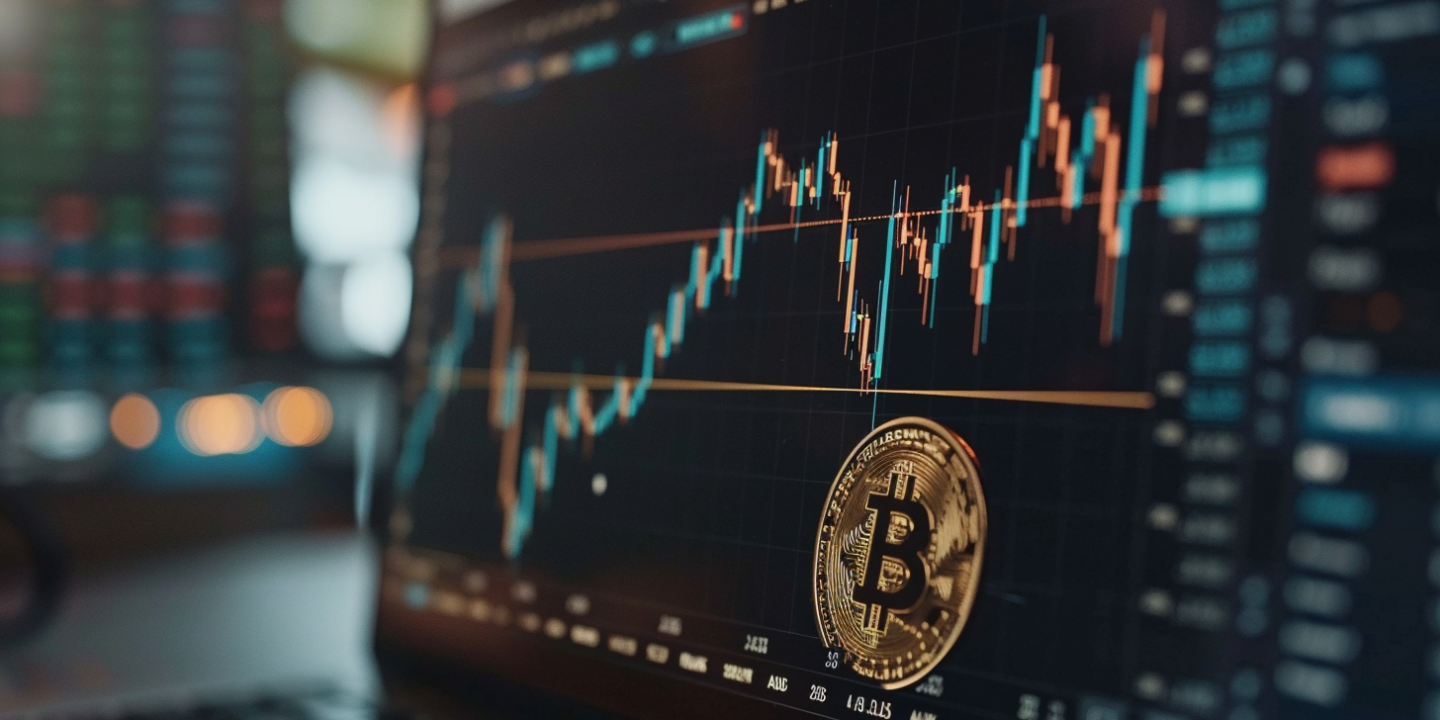

Cryptocurrency signals play a significant role in helping traders navigate the volatile waters of the digital asset landscape. By providing insights into potential trading opportunities, these signals are valuable tools for investors seeking to make informed decisions in the ever-changing crypto market.
Leveraging a blend of technical data, market dynamics, and occasional insider insights, these signals aim to offer traders a clearer picture of the current landscape, enabling them to strategize effectively and optimize their trading activities for better outcomes.

Crypto signals are notifications or trading advice that point out particular steps one should take in the cryptocurrency market. Based on various analytical techniques, these signals advise traders on whether to purchase, sell, or hold a specific cryptocurrency. Automatic algorithms can produce crypto signals, skilled traders’ manual analysis, or a combination of the two.
Explore the various types of crypto signals, including manual, automated, and hybrid signals, and their unique benefits.
Manual signals are generated by human analysts who study market conditions and share their findings with traders. Technical analysis, fundamental analysis, or a mix of the two is frequently the foundation for these indications.
Algorithms and trading bots analyze market data in real-time and produce automated signals. These signals can quickly respond to market changes, providing timely trading opportunities without human intervention.
Hybrid signals combine manual and automated approaches. They leverage algorithms’ speed and efficiency while incorporating human analysts’ strategic insights to offer more balanced and potentially more accurate trading advice.
Learn about the essential components of crypto signals, such as entry points, exit points, stop-loss levels, and take-profit levels.
Entry points indicate the best price point for a trader to enter a market position. These points are determined through various analytical methods to maximize potential gains.
Exit points suggest when a trader should close a position to realize profits or minimize losses. Timely exits are crucial for capitalizing on favorable market conditions.
Stop-loss levels are predefined price points where a trade is automatically closed to prevent further losses. This risk management tool helps protect traders from significant market downturns.
Take-profit levels are set to automatically close a trade once a specified profit target is reached. This ensures traders secure gains without the need for constant market monitoring.
Delve into how crypto signals are generated, analyzed, and delivered to traders for optimal use.
Crypto signals are generated through market analysis techniques, including technical indicators (like moving averages and RSI), chart patterns, and news events. Analysts or algorithms identify potential trading opportunities and disseminate these signals to users.
Signal generation relies on various analysis techniques, such as:
Crypto signals are delivered to traders through multiple channels, including email, SMS, mobile apps, and dedicated trading platforms. Real-time notifications ensure traders can act promptly on received signals.
Identify the different sources from which crypto signals can be obtained, including signal providers, trading bots, social media, and news outlets.
Dedicated signal providers specialize in analyzing the crypto market and offering their insights to subscribers. They may charge a fee for their services, which can vary based on the quality and quantity of signals.
Trading bots are automated software programs that generate and execute trades based on pre-set criteria. These bots can swiftly evaluate enormous volumes of data and provide traders with useful signals.
Platforms like Twitter, Telegram, and Reddit host communities where experienced traders share their insights and signal recommendations. While often free, the reliability of these signals can vary widely.
Financial news websites and blogs often provide market analysis and trading suggestions. Keeping abreast of news can help traders understand market movements and receive informal trading signals.
Discover the advantages of incorporating crypto signals into your trading strategy, such as time-saving, reduced emotional trading, and access to expert analysis.
Because they eliminate the need for in-depth market research and analysis, crypto signals help traders save time. Instead of continuously observing market circumstances, traders can concentrate on carrying out trades.
By following structured signals, traders can minimize emotional decision-making, which often leads to impulsive and poorly timed trades.
Many signal providers employ experienced analysts and sophisticated algorithms, offering traders access to high-quality market insights that might be difficult to obtain independently.
Crypto signals provide clear guidance on when to enter and exit trades, enhancing traders’ ability to make informed decisions and potentially increasing their profitability.
Learn about the potential risks and limitations associated with using crypto signals and how to mitigate them effectively.
Cryptocurrency markets are highly volatile, and even the best signals can lead to losses if market conditions change rapidly.
Over-relying on signal providers can lead to a lack of independent decision-making skills. Traders should use signals as a supplement to their analysis.
Not every indication is reliable, and acting on the wrong signs might cost you a lot of money. It is imperative to confirm the legitimacy of the signal source.
While automated signals and trading bots can be effective, they are not infallible. Technical glitches or unforeseen market events can lead to unexpected losses.
Get practical tips on setting up accounts, choosing the right signal provider, and integrating signals into your trading platforms.
To start using crypto signals, traders must set up accounts on cryptocurrency exchanges and trading platforms supporting signal integration.
Selecting a reputable and reliable signal provider is crucial. Traders should evaluate providers based on their reputation, performance history, and user feedback.
Many trading platforms allow signals to be integrated directly into their interface, enabling automated trade execution based on received signals.
Once signals are received, traders can manually or automatically execute trades. To optimize results, it’s essential to monitor the market and adjust trades as needed.
Explore best practices for using crypto signals, including diversifying sources, continuous learning, and robust risk management.
Identify common pitfalls in using crypto signals and how to avoid them to maximize your trading success.
Failure to implement proper risk management strategies can result in significant losses. Traders should always use stop-loss orders and diversify their portfolios to mitigate risk.
Crypto signals are a great help while trading, but they should not be your only source of information. Conducting personal analysis, managing risks effectively, and continuously adapting to market changes is essential. By combining high-quality signals with sound trading practices, traders can improve their chances of success in the dynamic world of cryptocurrency trading.
For traders looking for a robust and reliable platform to implement their crypto trading strategies, Mudrex stands out as one of the best options available. Mudrex offers a comprehensive suite of tools and features to support novice and experienced traders, including access to high-quality crypto signals, automated trading bots, and advanced risk management features. By leveraging Mudrex’s powerful platform, traders can optimize their trading strategies and enhance their overall performance in the cryptocurrency market.
Download Mudrex and Start Your Crypto Trading Journey Now
The best crypto signal providers are those with a strong reputation, verified performance history, and positive user reviews. Examples include CryptoSignals.org, Learn2Trade, and CoinSignals.
No, crypto signals cannot guarantee profits. The cryptocurrency market is highly volatile, and even the best signals can lead to losses. It is critical to properly manage risks and use signals as a component of a larger trading plan.
The cost of crypto signals varies widely. Some providers offer free signals, while others charge monthly or annual subscriptions ranging from $50 to $300 or more, depending on the quality and frequency of the signals.
Free crypto signals can be hit or miss. Many free signals from credible sources are unreliable, but others may be. When making trading decisions, it is imperative to confirm the reliability of the source and avoid depending exclusively on free signals.
To determine the trustworthiness of a signal provider, research their reputation, performance history, and user reviews. Look for transparency in their performance metrics and avoid providers that make unrealistic promises of guaranteed profits.