
In the evolving world of cryptocurrency, understanding real-world assets (RWAs) is crucial. This knowledge can unlock new investment opportunities, enhance portfolio diversification, and offer insight into how traditional assets are being integrated into the digital realm.
Key Takeaways
Real-world assets (RWAs) in crypto refer to physical or tangible assets that are represented digitally on a blockchain. This process, known as tokenization, converts the ownership rights of these assets into digital tokens. This is significant because it brings the efficiency and transparency of blockchain technology to traditional assets.
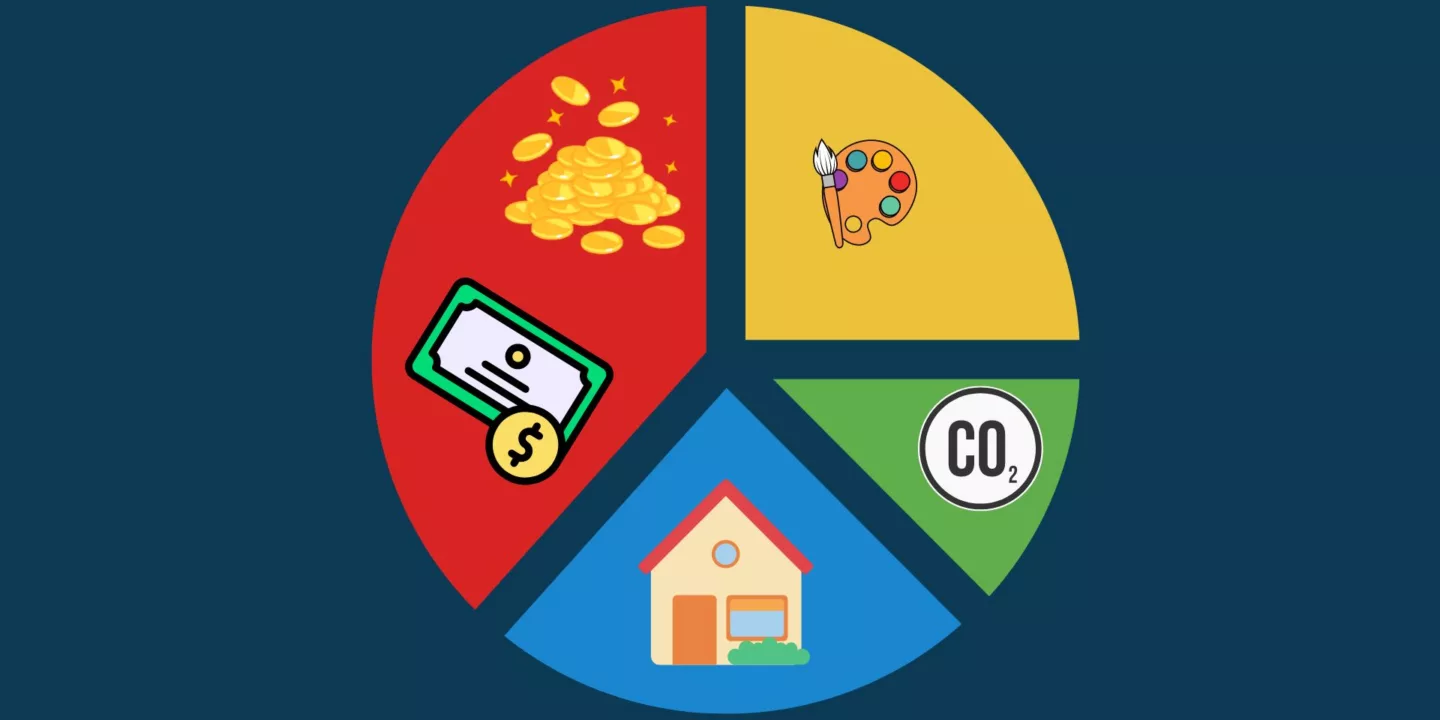
RWAs can include a wide range of assets such as real estate, commodities, and artwork. In traditional finance, these assets are traded through complex and often opaque systems. Tokenization simplifies this process by providing a clear and immutable record of ownership and transactions.
In traditional finance, RWAs are essential for various investment strategies and portfolios. By tokenizing these assets, the financial industry can leverage blockchain technology to streamline processes, reduce costs, and improve access to a broader range of investors.
Tokenization involves the transformation of ownership rights to a particular asset into a digital token that resides on a blockchain network. Subsequently, these tokens can be exchanged, saved, or employed within the realm of the digital economy.
The process begins with the valuation of the asset, followed by the creation of a smart contract on a blockchain. This contract outlines the ownership and transfer details. The asset is then tokenized, creating a digital representation that can be easily transferred and traded.
Blockchain technology is the backbone of tokenization. It ensures the transparency, security, and immutability of the digital tokens. By using blockchain, the transfer of ownership becomes more efficient and less prone to fraud.
Tokenizing real-world assets offers a range of benefits that can transform the way we interact with these assets.
Tokenization enhances liquidity by allowing fractional ownership and easier transfer of assets. This means that investors can buy and sell small portions of an asset, rather than needing to purchase the entire asset.
Fractional ownership enables investors to own a part of a high-value asset, which lowers the barrier to entry and allows for more diversified investment portfolios.
Tokenized assets can be traded on global exchanges, providing access to a broader market of investors. This global reach can increase demand and potentially raise the asset’s value.
Blockchain technology reduces the need for intermediaries, which in turn lowers transaction costs. This makes the buying, selling, and transferring of assets more cost-effective for all parties involved.
Tokenization has advantages, but it also has risks and issues of its own.
Tokenization faces significant regulatory challenges. Different jurisdictions have varying regulations, and navigating these can be complex.
Legal issues related to ownership rights, compliance, and dispute resolution are critical. Ensuring that the digital representation accurately reflects the legal status of the asset is essential.
The technology presents various challenges that must be overcome for it to function smoothly. Some of these challenges include issues related to scalability, security, and effectively integrating the technology with current financial systems. It is crucial to tackle these challenges head-on to ensure that the technology operates seamlessly.
The crypto market is renowned for its unpredictable nature. When it comes to tokenized assets, they are also subject to this volatility, leading to substantial fluctuations in their value that can present risks for investors.
The tokenization of real-world assets is gaining traction globally, with notable developments in India and other countries.
In India, the landscape of tokenization is evolving rapidly. Regulatory bodies are beginning to acknowledge the potential benefits, and several pilot projects are underway. Internationally, countries like the USA, Switzerland, and Singapore are leading the way in adopting and integrating tokenization within their financial systems.
Governments and financial institutions worldwide are exploring the potential of tokenization to revolutionize asset management and trading. As regulatory frameworks develop, the adoption of tokenized assets is expected to grow, offering new opportunities for investors globally.
Understanding and leveraging the power of real-world assets in crypto can open up new investment opportunities. The tokenization of these assets provides increased liquidity, fractional ownership, and accessibility to global markets while reducing transaction costs. However, it also comes with challenges such as regulatory and legal hurdles, technological issues, and market volatility.
You can handle and trade your cryptocurrency securely with the aid of Mudrex’s platform. They use blockchain data to help you make investments and help you make smarter financial decisions. Download the Mudrex app from Google Play right now to learn different trading strategies and boost your earnings.
Real-world assets (RWAs) in crypto are physical or tangible assets represented digitally on a blockchain.
The process of converting an asset’s ownership rights into digital tokens on a blockchain is known as tokenization.
Benefits include increased liquidity, fractional ownership, global market access, and reduced transaction costs.
Challenges include regulatory hurdles, legal considerations, technological issues, and market volatility.